

The World Health Organization (WHO) has issued a dire warning, urging the international community not to overlook the escalating humanitarian crisis in
Sudan.
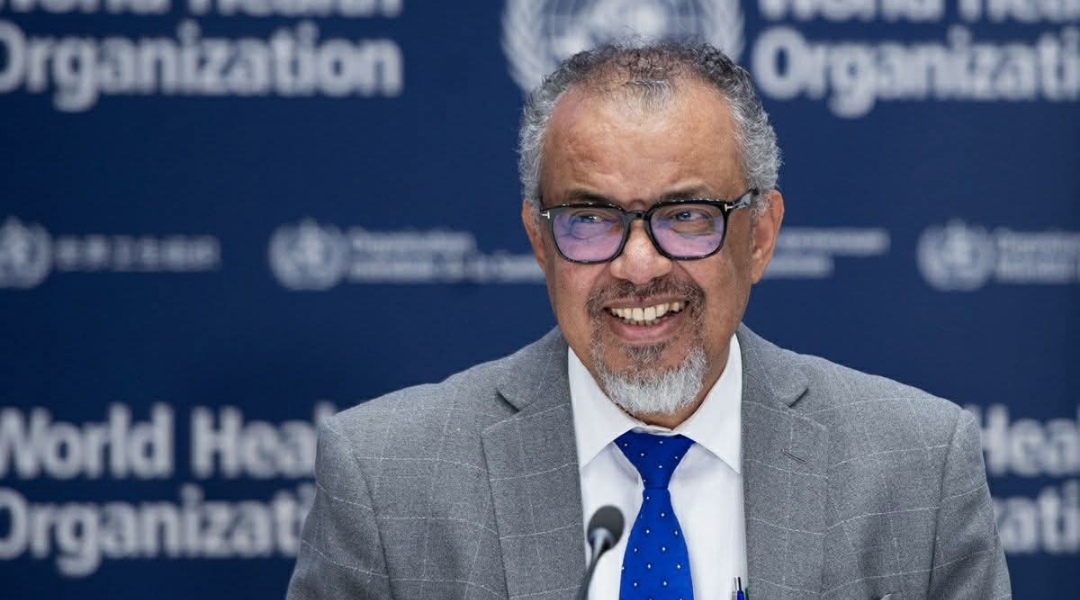
Dr. Tedros Adhanom Ghebreyesus, WHO Director-General, highlighted that over half of the nation’s population, staggering 33.7 million people, are in urgent need of life-saving assistance as the conflict pushes the country’s health system to the precipice of complete collapse.
The ongoing conflict, which began in mid-April 2023 and has now entered its third year, has created one of the gravest humanitarian and public health emergencies globally.

The situation is exacerbated by a severely underfunded humanitarian response plan for 2026, which currently stands at only 15% of the required amount.
This funding gap, coupled with widespread violence, has led to a catastrophic health crisis, with an estimated 70-80% of health facilities in conflict-affected areas being non- functional.
Recent weeks have seen a horrifying surge in attacks on medical facilities, further deepening the crisis and drawing sharp condemnation from the WHO.  On March 20, a drone strike on Al-Daein Teaching Hospital in East Darfur resulted in the deaths of at least 64 individuals, including patients, medical personnel, and left 89 others injured.
Just days later, on April 2, another drone attack devastated Al-Jabalain Hospital in White Nile State, claiming the lives of 10 medical, administrative staff, including hospital’s director who was performing surgery at the time. Twenty-two people were also injured in this attack.
Further compounding the devastation, on the same day as the Al-Jabalain attack, the Family Hospital in Al-Daein was looted, with patients and health workers subjected to assault and expulsion, leading to the suspension of its operations.  A similar incident occurred on March 25, when a hospital in Al-Kurmuk, Blue Nile State, was looted, equipment destroyed, and staff and patients forcibly removed, leaving one worker critically
injured.
These egregious acts underscore the urgent need for renewed international solidarity and decisive political and humanitarian action.
Sudan is also grappling with the world’s largest displacement crisis, with millions internally displaced and seeking refuge in neighboring countries.The nation faces widespread hunger, with 24.6 million people suffering and
famine spreading in Darfur, making it the world’s hungriest country.
Dr. Tedros’s statement serves as a stark reminder that Sudan cannot confront this multifaceted crisis alone.
The international community’s immediate and sustained engagement is critical to prevent further loss of life and to restore essential health services to a population enduring unimaginable hardship.