

The Strait of Hormuz, a critical global shipping lane, has been declared fully open for commercial vessels by Islamic Republic of Iran, move welcomed by the United Nations Secretary-General Antonio Guterres.
The announcement comes as a significant development amidst an ongoing ceasefire between Israel and
Lebanon, and follows intensive diplomatic efforts to de-escalate tensions in the Middle East.
Iranian Foreign Minister Abbas Araghchi confirmed today that the vital waterway would remain open for the duration of the ceasefire, ensuring the passage of all commercial ships.

This declaration has already had an immediate impact on global markets, with oil prices reportedly falling below $90 a barrel following the news.
The passage of vessels will adhere to a coordinated route, as previously communicated by Iran’s Ports and Maritime Organization.
Secretary-General Guterres lauded Iran’s decision as a “step in the right direction.”  He reiterated the United Nations’ long- standing position advocating for the full restoration of international navigational rights and freedoms in the Strait of Hormuz, urging all parties to respect these principles.
The UN chief’s spokesperson, Stéphane Dujarric, conveyed the United Nation’s continued support for the diplomatic initiatives aimed at achieving a peaceful resolution to the current conflict in the region.
The reopening of the Strait is particularly significant given the recent history of the
waterway.  Since February 28, 2026, Iran had largely blocked shipping traffic through the Strait of Hormuz, a choke point through which a fifth of the world’s oil and liquefied natural gas transits, in response to the US-Israel war on Iran.
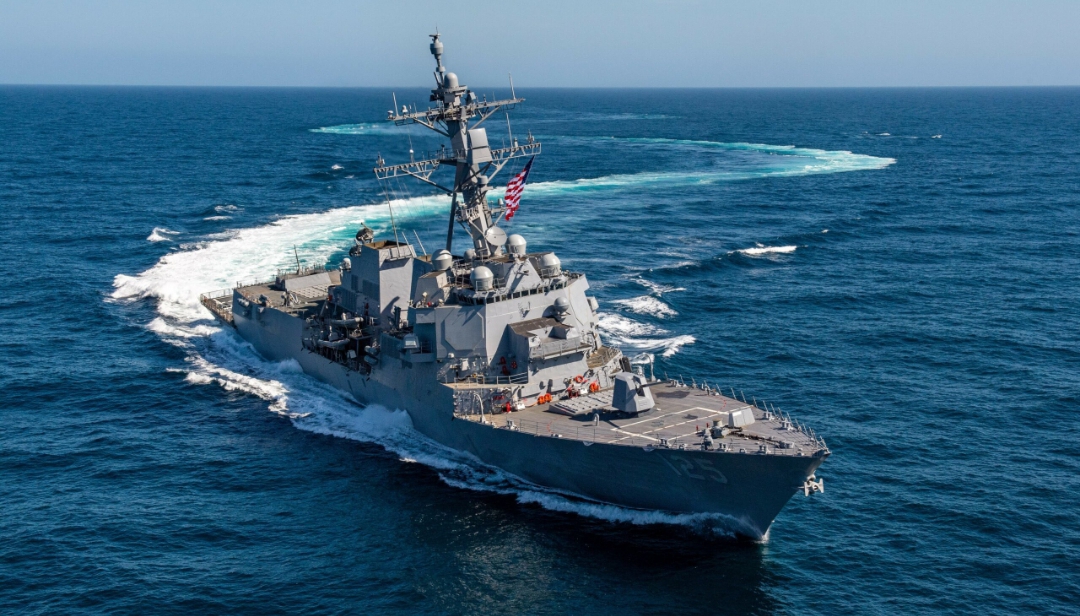
This blockade led to a subsequent naval blockade by the United States on Iranian ports in the Strait and the Gulf.
Diplomatic efforts, notably facilitated by Pakistan, have been crucial in fostering dialogue between the involved parties. While earlier talks in Pakistan between the US and Iran failed to reach a breakthrough, the current ceasefire in Lebanon and Iran’s latest announcement
are seen as positive outcomes of sustained engagement.
The Secretary-General expressed hope that this measure, coupled with the ceasefire, would contribute to building
confidence and strengthening the ongoing dialogue.
US President Donald Trump also acknowledged Iran’s announcement, stating that the Strait was “completely open and ready for business and full passage.” However, Trump indicated that the US naval blockade on Iran would remain in effect until a comprehensive deal to end the war is reached.
A senior Iranian military official, however, stated that only non-military vessels are permitted transit with permission from the Iranian Islamic Revolutionary Guard Corps Navy.
The Strait of Hormuz, connecting the Persian Gulf with the Gulf of Oman and the Arabian Sea, is strategically vital for global energy supplies.
Its full reopening is a critical development for international trade and regional stability, offering a glimmer of hope for broader de-escalation in the Middle East.