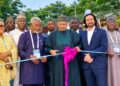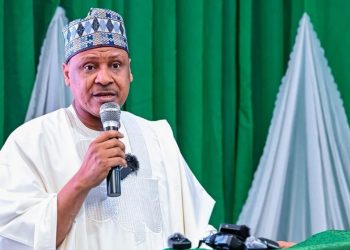



Nigeria’s Minister of Information and National Orientation, Mohammed Idris, said public trust in government must be earned through transparency, accountability, sustained engagement and tangible results, as he opened the 2026 World Public Relations Forum in Abuja.

Addressing delegates at the ceremony, Idris said communication was central to how governments engage citizens, institutions build confidence and societies respond to change.
He argued that clear and open communication was especially important as Nigeria pursues major economic reforms under President Bola Ahmed Tinubu.
The minister cited changes to the fuel subsidy regime, foreign exchange market, tax system and public finances, describing them as efforts to address longstanding structural challenges and build a stronger, more productive and resilient economy.
He also pointed to investments in infrastructure, agriculture, energy and education.
Idris acknowledged that reforms bring adjustment pressures, saying their success should ultimately be measured by whether they improve Nigerians’ living conditions.
Citizens, he said, need to understand not only what decisions government is making, but why they are being taken, what they are intended to achieve and how public concerns are being addressed.
“Public trust cannot be demanded; it must be earned,” Idris said, linking responsible communication to good governance and national development.
He also warned that misinformation and disinformation were spreading rapidly, while artificial intelligence and digital platforms were reshaping how information is produced and circulated.
Wider access to information, he said, has also made it easier for false or misleading content to reach large audiences.
“The power to communicate must come with a strong sense of responsibility,” he said, cautioning that speed should not displace accuracy and influence should not be exercised without regard for ethics.
The forum’s theme, “Responsible Communication: The Voice of the World,” was timely, Idris said, and closely connected to Nigeria’s democratic values.
He referred to constitutional protections for freedom of expression and the media’s role in holding government accountable, saying public communication should support openness, informed debate and meaningful civic participation.
Idris also highlighted the Federal Government’s support for the UNESCO Category 2 International Media and Information Literacy Institute in Abuja.
The institute is intended to help citizens assess information critically and navigate the digital environment responsibly, he said.
The minister called on public relations professionals, governments, media organisations, businesses, civil society and technology companies to uphold professional standards and promote credible information.
He said the forum should produce practical ideas, stronger cooperation and partnerships that extend beyond the event’s presentations and discussions.
Idris welcomed the Global Alliance for Public Relations and Communication Management and its president, Prof. Justin Green, and praised Dr. Ike Neliaku and the Nigerian Institute of Public Relations team for securing the forum for Nigeria.
He said hosting the gathering offered Nigeria an opportunity to share its experiences and showcase the country’s cultural diversity, creativity and professional capacity to international delegates.