

Introduction
On April 5, 2026, United States President Donald J. Trump has issued a triumphant statement announcing the successful rescue of a U.S. military officer from Iranian territory.
The statement, posted on Truth Social, declared, “WE GOT HIM!” and described the operation as “one of the most daring Search and Rescue Operations in U.S. History.”
In this report Media Bypass News provides a comprehensive analysis of Trump’s statement, examining context, rhetorical strategies, and the broader implications amidst ongoing tensions between the United States and Iran.

Context of the Statement
The statement was released on Easter Sunday, April 5, 2026, following the downing of a U.S. F-15E Strike Eagle fighter jet over western Iran on Friday, April 3, 2026.
According to report, the incident occurred during a period of heightened conflict, marking approximately the 35th day of military engagements between the U.S./Israel and Iran.
Initial reports indicated that one crew member was rescued shortly after the crash.  President Trump’s announcement
specifically concerned the rescue of the second crew member, identified as a “highly respected Colonel” and Weapon Systems Officer, who had been behind enemy lines in “treacherous mountains of Iran” for nearly 48 hours.
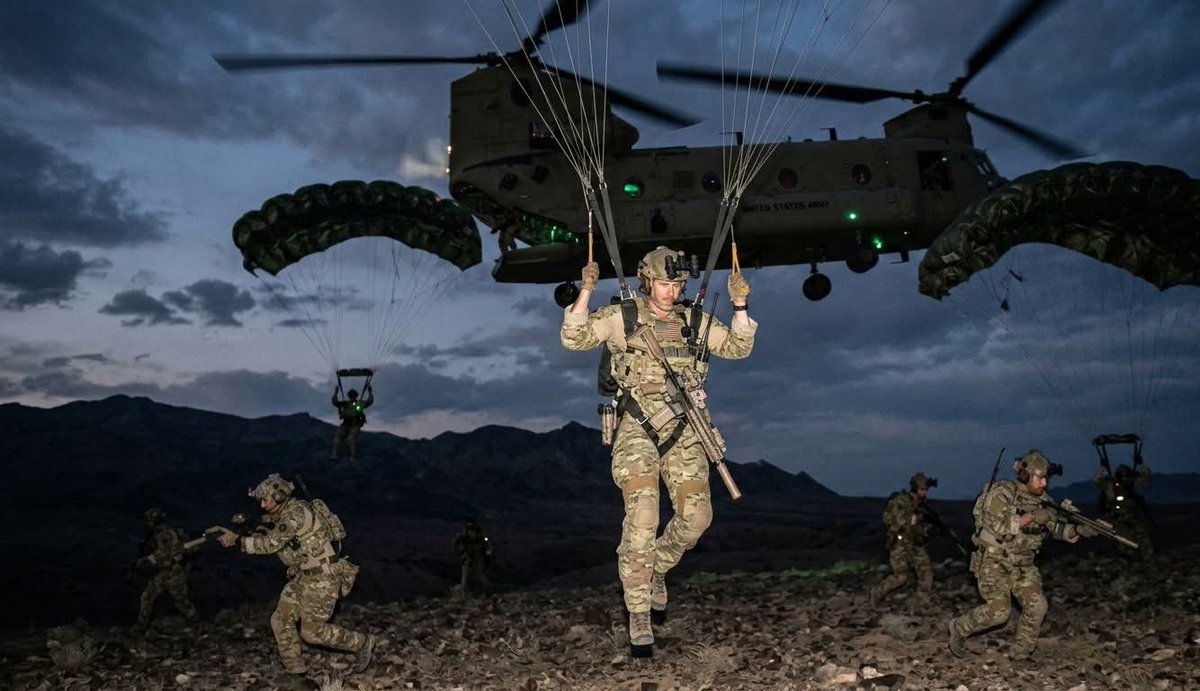
The rescue operation involved a significant deployment of U.S. military assets, with Trump noting that “dozens of aircraft” were utilized.
The statement also highlighted the personal involvement of the Commander in Chief, Secretary of War (a term used by Trump, though official title is Secretary of Defense), and the Chairman of the Joint Chiefs of Staff, who were reportedly monitoring the officer’s location “24 hours a day”. Rhetorical Analysis
President Trump’s statement is characterized by a highly triumphant and patriotic tone, designed to evoke a sense of national pride and unity.
The opening declaration, “WE GOT
HIM!” in all capital letters, immediately establishes a victorious narrative.
Throughout the message, strong, emotive language such as “daring,” “incredible,” “brave Warrior,” and “miraculous” is employed to underscore the heroism of the operation and the personnel involved.A key rhetorical strategy is the emphasis on personal involvement and leadership. Trump explicitly states, “At my direction,” positioning himself as the decisive leader behind the successful rescue.
This narrative aims to attribute the success directly to his.administration’s efforts and strategic oversight.
The statement also serves as a call for national unity, urging “all Americans, Republican, Democrat, and everyone else” to be “proud of and united around” this achievement. This tactic often leverages military successes to bridge political divides and foster a collective sense of accomplishment.
Furthermore, Trump utilizes the rescue to assert US superiority. By highlighting the successful extraction without American casualties, he claims it “proves once again, that we’ve achieved overwhelming Air Dominance and Superiority over the Iranian skies.”
This transforms a specific rescue mission into broader evidence of military might. Finally, the statement’s release on Easter Sunday, concluding with “GOD BLESS AMERICA, GOD BLESS OUR TROOPS, AND HAPPY EASTER TO ALL!”, strategically intertwines religious
and nationalistic themes. This connection aims to imbue the military action with moral and spiritual significance, resonating with a segment of the American populace.
Implications
Escalation of Conflict
The statement implicitly confirms a significant escalation of military conflict between the U.S. and Iran.
The fact that F-15E was shot down deep within Iranian territory, necessitating a complex rescue operation involving numerous aircraft, indicates active and dangerous engagements. The description of the officer being “hunted down by our enemies” further underscores the hostile environment and the direct confrontation with Iranian forces.
Diplomatic Stance
The aggressive and uncompromising language used by Trump, particularly phrases like “treacherous mountains of Iran” and “our enemies,” signals a confrontational diplomatic stance.
The statement offers no overt gestures towards de-escalation or negotiation,
suggesting a continued hardline approach towards Iran.Domestic Political Impact
Domestically, the statement is likely intended to bolster political support for the President. By framing the rescue as a historic and flawless victory, Trump aims to demonstrate effective leadership and a commitment to protecting American service members, potentially rallying public opinion behind his foreign policy decisions.
Military Doctrine and Commitment
The declaration, “WE WILL NEVER LEAVE AN AMERICAN WARFIGHTER BEHIND!” reinforces a fundamental principle of U.S. military doctrine.
This commitment, emphasized by the scale and risk of the operation, serves to reassure military personnel and their families while projecting an image of unwavering resolve.Notable Details
The use of the term “Secretary of War” instead of the contemporary “Secretary of Defense” is a notable detail.
While potentially a rhetorical flourish, it could also reflect a deliberate choice to evoke historical military contexts or even hint at a structural change within the administration’s terminology in 2026.
The rescue of two pilots separately, described as a “first time in military memory,” further highlights the unique challenges and successes of these operations.Conclusion
President Trump’s statement regarding the rescue of a U.S. Colonel from Iran is a powerful and rhetorically charged announcement.
It successfully conveys a message of triumph, military prowess, and national unity, while simultaneously confirming the intense and escalating nature of the U.S.-Iran conflict.
The statement’s timing and language carefully chosen to maximize its impact, both domestically and internationally, reinforcing a narrative of strength and unwavering commitment to American service members.