

Nigeria is currently grappling with a severe and escalating kidnapping crisis that has seen thousands of citizens abducted across the country in the first half of 2026.
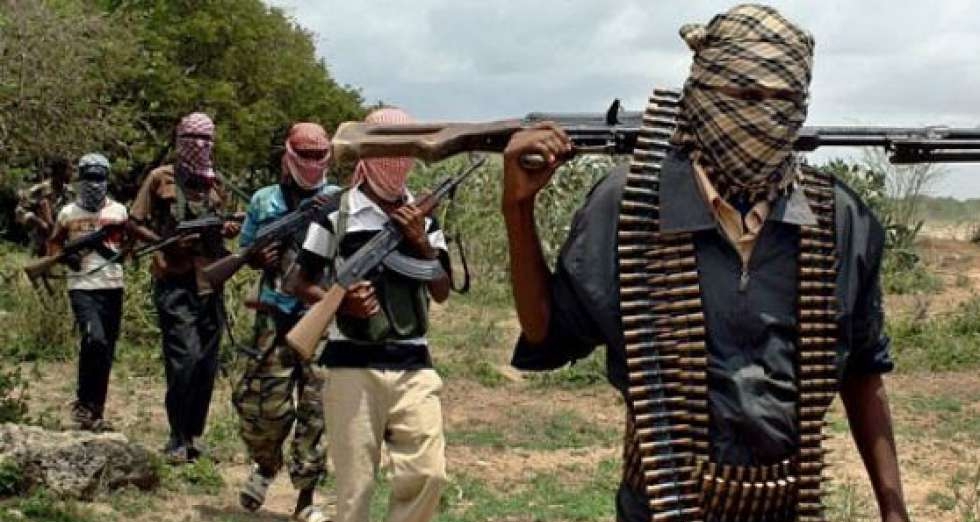
From the northwestern plains of Sokoto to the central highways of Kogi, Kwara, armed groups ranging from opportunistic bandit gangs to sophisticated insurgent factions—are operating with increasing audacity.
This report provides a comprehensive overview of the recent wave of the abductions, the regional dynamics at play, and the growing political fallout facing the President, Bola Ahmed Tinubu’s administration.
Recent Major Incidents (May – June 2026)
The beginning of June 2026 was marked by a series of coordinated and brutal attacks across multiple states, which highlights the geographic spread of the crisis.
On June 1, 2026, at the Ayegunle Bunu area of Kogi State. Incident Type Impact: Highway Ambush, 1 killed, 30+ abducted from a commercial bus and local community.
On June 1, 2026, at Dangulbi, Sokoto State. Incident Type Impact: Village Raid
17 killed (including Sallah visitors), mass displacement, and looting.
On May 25, 2026, at Yashikira, Kwara State. Incident Type Impact: Prayer Ground Attack, 3 worshippers killed, 15 abducted during a religious gathering.
On May 15, 2026 at the Ahoro-Esinele, Oyo State. Incident Type Impact: School Abduction, 1 teacher killed, 39 pupils and 7 teachers abducted from three
schools.
Regional Trends and Group Dynamics
The nature of abductions varies significantly by region, reflecting the diverse motivations and capabilities of the perpetrators.
1. The North West: The Epicenter of Banditry: In states like Sokoto, Zamfara, and Kebbi, the primary threat remains “bandits”—highly mobile criminal gangs that focus on mass village raids, livestock rustling, and large-scale
abductions for ransom.
The recent attack on Dangulbi in Sokoto, which claimed 17 lives, exemplifies the extreme violence used to terrorize rural communities into submission.
2. The North Central: Expanding Insurgency: States such as Niger, Kogi, and Kwara are seeing an alarming convergence of banditry and extremist insurgency.
Groups like Ansaru and factions of Boko Haram have been linked to abductions in these areas, often targeting schools, religious centers, and major transport
arteries.
The abduction of over 30 people in Kogi and the prayer ground attack in Kwara
indicate a shift toward targeting high- visibility social and religious gatherings.
3. The Education Crisis: Schools as Targets: School kidnappings have reached a crisis point in 2026.
Following the mass abduction of
over 300 students in Niger State in late 2025, several other institutions have been targeted.
Notably, on May 15, 2026, 39 pupils and 7 teachers were abducted from the three schools in the Ahoro-Esinele community of Oyo State, with one teacher reportedly killed .
This incident sparked widespread panic in the South-west, a region previously considered relatively safe from such large-scale school abductions.
Human rights organizations report that over 1,100 people, a significant portion being students, were abducted in the first four months of 2026 alone.
Political and International Fallout
The persistent insecurity has triggered a wave of domestic and international criticism.
• Domestic Outcry: Prominent figures like activist Deji Adeyanju and Senator Aminu Tambuwal have slammed the govt’s perceived “ransom-based” strategy.
Adeyanju accused the administration of being more interested in “second-term politics” than citizen safety, while Tambuwal called for an immediate intensification of security efforts in the Sokoto-Zamfara axis.
• Religious leaders have also voiced strong condemnation. Pastor Enoch Adeboye, General Overseer of the Redeemed Christian Church of God (RCCG), broke his silence on June 2, 2026, demanding that security chiefs “eliminate terrorists within 90 days or resign”.
The Christian Association of Nigeria (CAN) declared a threeday national mourning period from June 12-14, 2026, designating June 14 as “Black Sunday” to honor victims and call for a state of emergency on insecurity.
• International Pressure: The United States has redesignated Nigeria as a “Country of Particular Concern” (CPC) due to the worsening security and human rights situation.
There are growing concerns that this designation could complicate military aid and intelligence sharing between the two nations.
• Government Response: President Tinubu has declared a “national emergency” on security and promised a more proactive approach.
However, critics argue that the response remains reactive, often focusing on “sudden releases” of victims without the
arrest or prosecution of the culprits.
Conclusion
The 2026 kidnapping wave represents a direct assault on the peace and stability of Nigeria. As criminal and insurgent groups continue to move “unchallenged” across state lines, the human and economic cost continues to mount.
For many Nigerians, the “fire” of terrorism is no longer a distant threat but a daily reality that requires more than just prayers and rhetoric—it demands a fundamental overhaul of the nation’s security architecture.