

The Federal Government of Nigeria has officially launched its Digital Switch Over (DSO) Platform, a monumental initiative poised to revolutionize the nation’s broadcasting landscape and deliver substantial economic benefits.
Heralded as a major investment in Nigeria’s future, the free TV platform is projected to create jobs, foster local
content development, invigorate the creative industry, and stimulate the broader economy.
The Minister of Information and National Orientation, Mohammed Idris, underscored the transformative potential of the DSO at its official launch at the Nigerian Communications Satellite Limited (NIGCOMSAT) headquarters in Abuja on Wednesday.
“A fully implemented DSO ecosystem
will create jobs, stimulate local manufacturing, expand audience reach, strengthen content production, increase advertising opportunities, and unlock new revenue streams for broadcasters and content creators,” Idris stated.
This launch signifies a pivotal moment in Nigeria’s broadcasting history, reflecting President Bola Tinubu’s administration’s unwavering commitment to digital transformation, economic growth, innovation, and the development of critical national infrastructure.
The Minister emphasized that the DSO is not merely a technological upgrade but a strategic move towards modernizing the country’s broadcasting industry and building a more connected, competitive, and prosperous Nigeria.
Extensive consultations with stakeholders across the broadcasting value chain, including broadcasters, signal distributors, set-top box manufacturers, and content producers,
preceded the launch.
Despite diverse perspectives on execution, a unified commitment to the successful implementation of the DSO program emerged from these engagements.
Addressing concerns about the initiative, Idris clarified that the DSO aims to expand access and embrace innovation across multiple delivery platforms, rather than replacing existing technology.
Nigeria is pursuing a hybrid broadcasting model that integrates Digital Terrestrial Television (DTT), Direct-to-Home satellite delivery, and digital application-based platforms.
The government also reaffirmed its dedication to promoting indigenous technology, supporting Nigerian manufacturers, and ensuring that local creativity remains central to the broadcasting ecosystem.
The DSO is envisioned as a catalyst for opportunities for Nigerian businesses, innovators, and workers.
Dr. Bosun Tijani, the Minister of Communications, Innovation and Digital
Economy, echoed these sentiments, describing the DSO as a significant milestone in Nigeria’s digital transformation journey.
He highlighted it as a visible outcome of a broader digital infrastructure strategy aimed at building a one-trillion-dollar economy, further supported by plans to deploy 90,000 kilometers of fibre-optic infrastructure and President’s approval for two additional satellites.
Rt. Hon. Benjamin Okezie Kalu, Deputy Speaker of tHouse of Representatives, lauded the launch as a testament to effective govt-industry collaboration, predicting expanded access to quality broadcasting, job creation, investment stimulation, and new opportunities across the media and creative sectors.
This initiative, he noted, aligns perfectly with President Tinubu’s vision for digital transformation and economic prosperity.
Leaders from the National Broadcasting Commission (NBC) and NIGCOMSAT Limited, Mr. Charles Ebuebu and Mrs. Jane Egerton-Idehen respectively, hailed the launch as the dawn of a new era for Nigerian broadcasting.
They emphasized that the platform, powered by NIGCOMSAT’s satellite infrastructure, will bridge connectivity gaps and propel the growth of Nigeria’s creative and digital economy, solidifying its position as Africa’s leading digital
broadcasting ecosystem.
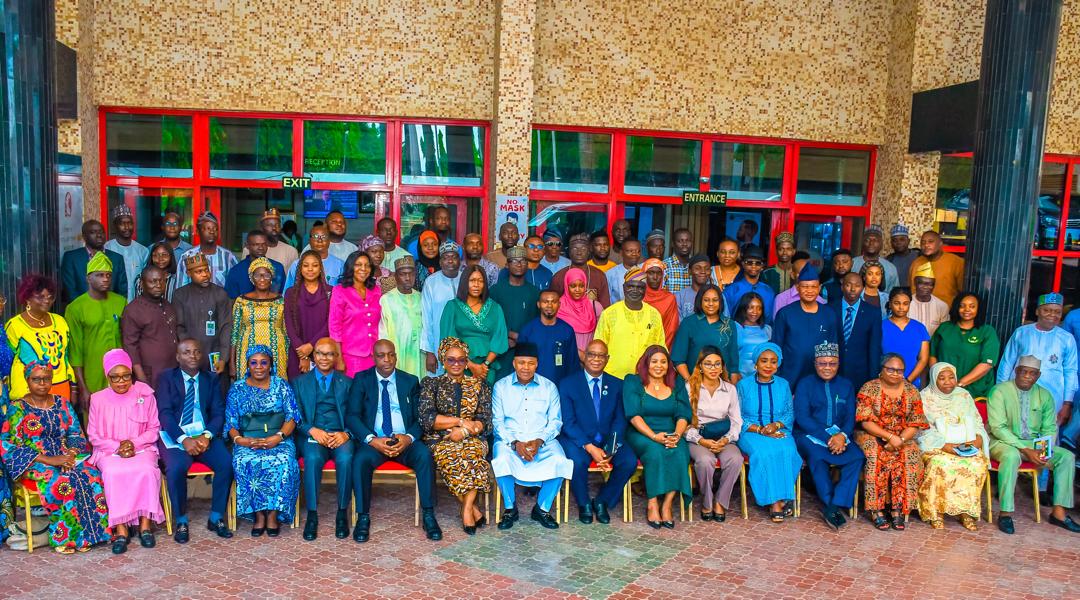
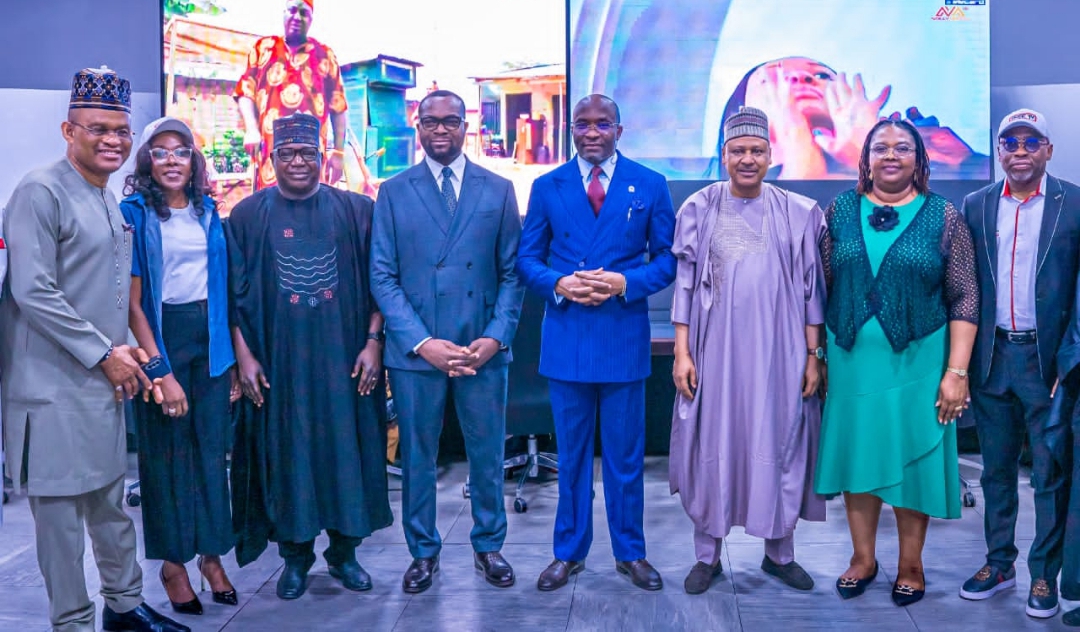
The launch event saw the attendance of numerous distinguished dignitaries and
stakeholders from across broadcasting and communications sectors, marking a
collective step forward for Nigeria’s digital future.