

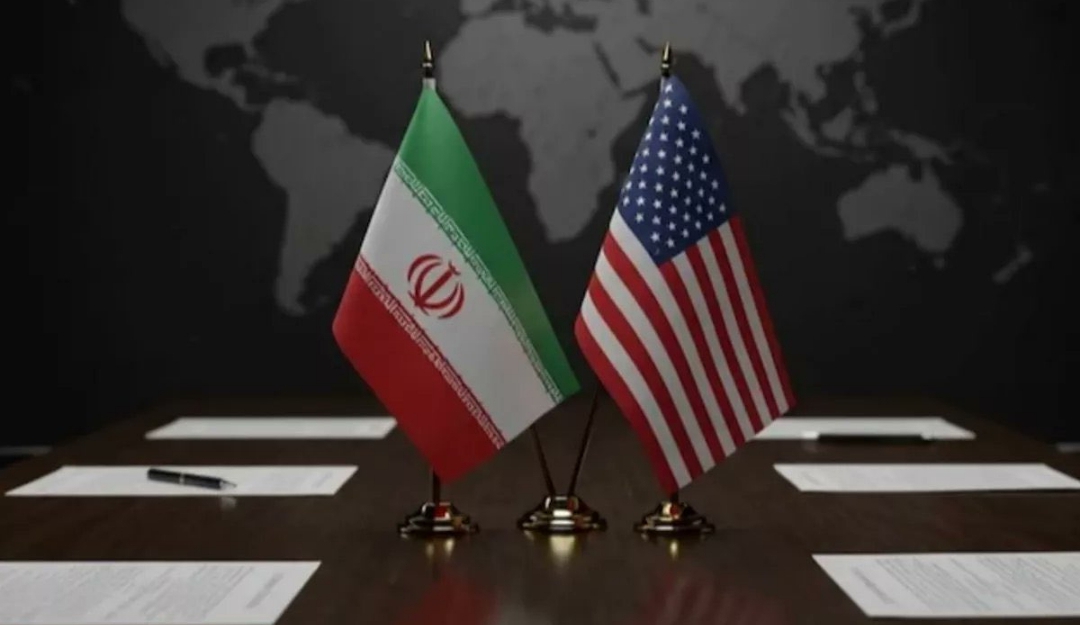
A landmark agreement, the “Islamabad Memorandum of Understanding” (MoU), has been electronically signed between United States of America and Islamic Republic of Iran, marking the significant diplomatic breakthrough in protracted conflict between the two nations.
The announcement was made by
Pakistani Prime Minister Shehbaz Sharif, who mediated the negotiations, on Thursday, June 18, 2026.
The MoU, endorsed by the Presidents of both countries, is set to take immediate
effect, with Iran reopening the Strait of Hormuz and the United States lifting its naval blockade as initial steps.
A Diplomatic Resolution to a Lingering Conflict
The signing of the Islamabad MoU comes after a period of intense conflict, often referred to as the 2026 Iran War, follows earlier, inconclusive “Islamabad Talks” held in April 2026.
These previous talks, also mediated by Pakistan, aimed to stabilize a ceasefire but failed to reach the comprehensive agreement, leading to the imposition of a US naval blockade on Iran.
The current MoU signifies a renewed commitment to diplomacy at the highest levels of both governments.
Key Provisions and Lingering Disagreements
While the full text of the MoU remains largely confidential, initial reports and statements from involved parties shed light on its core components.
The agreement is understood to be a “framework agreement” designed to end military strikes and extend the existing ceasefire by 60 days.
Immediate Actions: Reopening of the Strait of Hormuz to commercial shipping and Lifting of the US naval blockade on Iranian ports.
Broader Terms (subject to interpretation): A $300 billion fund for Iran and the release of frozen Iranian assets. Sanctions relief for Iran and Cessation of military operations on all fronts, including in Lebanon.
However, significant issues were reportedly not fully resolved in this framework agreement, including Iran’s nuclear program, uranium stockpiles, and its ballistic missile arsenal, network of non-state allies in the Middle East.
These complex matters are deferred to future talks during the 60-day ceasefire extension. Differing interpretations of the MoU’s terms have already emerged.
Iranian officials assert that the US pledges immediate sanctions relief and the release of frozen assets during the
60-day negotiation period, a claim the US has denied.
Furthermore, while US President Donald Trump claimed Strait of Hormuz would be “permanently toll-free,” Iran indicated its intention to charge “fees” for its usage.
Discrepancies also exist regarding the
cessation of military operations in the Lebanon, with Israel, not a party to the agreement, stating it reserves the right to strike in retaliation for Hezbollah attacks.
Reactions from Key Players
Pakistan: Prime Minister Shehbaz Sharif expressed “heartfelt congratulations and sincere appreciation” to all the parties, particularly.
He highlighted the commitment to diplomacy by US President Trump and the wisdom of Iran’s Supreme Leader Ayatollah Seyyed Mojtaba Hosseini Khamenei and President Masoud Pezeshkian.
He also acknowledged the crucial roles of the negotiating teams and the Field Marshal Syed Asim Munir for facilitating the breakthrough.
United States: President Donald Trump’s administration has emphasized the diplomatic achievement, with recognition extended to the US negotiating team, including J.D. Vance, Steve Witkoff, and Jared Kushner.
Iran: Iranian officials, including Speaker of the Islamic Consultative Assembly Mohammad Bagher Ghalibaf, President Masoud Pezeshkian, hailed the deal as a step towards success.
However, internal criticism has also surfaced, with some hardliners viewing the MoU as insufficient.
Regional Actors: The State of Qatar was acknowledged for its “sincere efforts and constructive engagement,” while the leadership of Kingdom of Saudi Arabia, the Republic of Türkiye, and the Arab Republic of Egypt were commended for their “indispensable role and invaluable contributions”.
Conversely, Israel has reacted negatively, with many Israelis viewing the deal as a loss and expressing concerns over its lack of provisions regarding Iran’s nuclear program and support for proxies.
Economic Impact: News of the potential peace agreement led to an easing of oil prices and a rally in global stock markets, with Treasury Secretary Scott Bessent anticipating further relief in energy costs.
A Foundation for Future Prosperity
Prime Minister Sharif concluded his announcement by expressing hope that the Islamabad MoU would “serve as an enduring foundation for the greater understanding, mutual respect and shared prosperity for the complete region”.
While challenges and differing interpretations remain, the agreement represents a significant step towards the de-escalation and a diplomatic path forward for the United States and Iran.