

While headlines often scream of sudden outbreaks and devastating natural disasters, the recent World Health Organization (WHO) briefing unveiled a more insidious threat: the silent killers that are slowly suffocating the planet and poisoning the minds.
These are the pervasive dangers of air pollution and the increasingly toxic digital environments, both exacting a heavy, often unseen, toll on global health.
The Invisible Chokehold: Air Pollution’s Deadly Grip
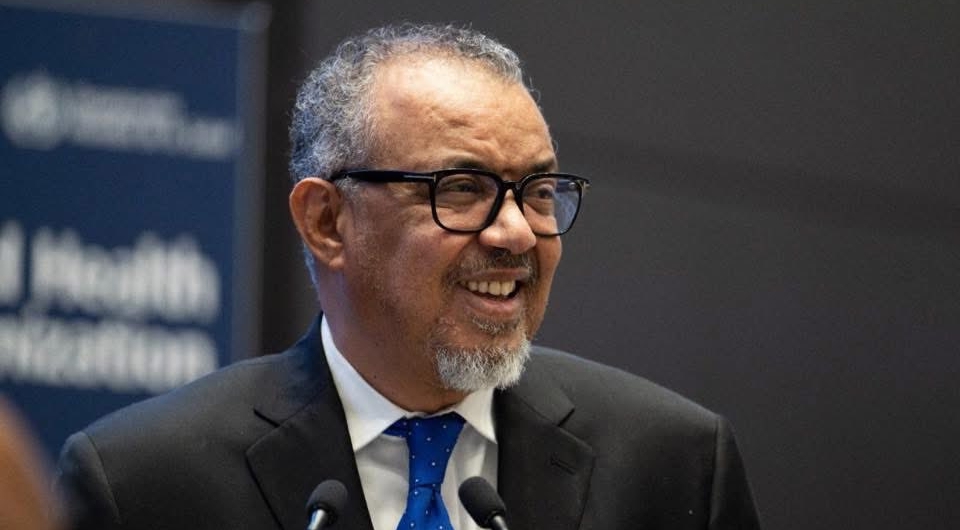
The WHO Director-General, Dr Tedro Ghebreyesus highlighted a grim reality: despite earlier progress, global levels of fine particulate matter (PM2.5) have stagnated since 2020.
Today, a staggering 6.5 billion people breathe air exceeding WHO interim safety targets. The disparity is stark, with exposure to unsafe air 13 times higher in low- and middle-income countries compared to high-income nations.
This invisible enemy is far from benign, linked to heart disease, stroke, lung cancer, and a shocking 6.7 million premature deaths each year.
While some regions, like Asia, show glimmers of improvement, vast swathes of sub-Saharan and northern Africa have seen little to no change, leaving millions gasping for clean air.
The Digital Deluge: Poisoning Young Minds
Equally alarming is the silent assault on the mental and physical well-being of young.people in the digital realm.
As detailed in a joint op-ed by French President, Emmanuel Macron and the Director -General, digital environments are not neutral spaces. Their design, governance, and monetization actively shape health outcomes.
Algorithms, prioritizing engagement over accuracy, amplify misleading claims, while features like infinite scrolling and push notifications foster addictive behaviors.
Repeated exposure to stereotyped,
violent, or discriminatory content distorts self-perception and undermines confidence, creating a generation grappling with unrealistic comparisons and eroded self-esteem.
“Children are not experimental subjects, a captive market, or a commodity. They are our future. Together, we can ‒ and must ‒ shape digital environments that protect and support their health.”
This powerful statement underscores the urgent need for effective governance, accountability, and age-appropriate design to safeguard child health in an increasingly digital world.
Beyond the Headlines: A Broader Health Crisis
While air pollution and digital harm operate insidiously, the WHO briefing also touched upon more immediate, visible threats, reminding nations of the multifaceted nature of global health challenges.
For instance, the hantavirus outbreak on the MV Hondius, which resulted in 13 cases and 3 deaths, is successfully declared over, showcasing a triumph of international cooperation.
In stark contrast, the Ebola outbreak in Democratic Republic of Congo continues to expand, with 1,406 confirmed cases and 438 deaths, its containment severely hindered by mistrust and violence against health workers.
Adding to the infectious disease landscape, Uganda has reported a new confirmed case of Marburg virus, with contacts currently being monitored.
Beyond biological threats, a devastating earthquake in Venezuela has left over 2,300 dead and 16,000 homeless, further straining an already fragile health system.
These acute crises, though demanding immediate attention, must not over- shadow the persistent, silent threats that continue to erode public health globally.
The successful containment of hantavirus, while commendable, highlights the stark contrast with the
ongoing struggles against Ebola and the devastating aftermath of the Venezuela
earthquake.
All these challenges, whether loud or silent, underscore a singular, undeniable
truth: no country can fight alone.
As WHO Member States prepare to negotiate the Pandemic Agreement, the message is clear: int’l cooperation is not merely an option, but an imperative.
Only through collective action, transparency, and a commitment to addressing both the visible and invisible killers can the world truly begin to heal and protect its future.