


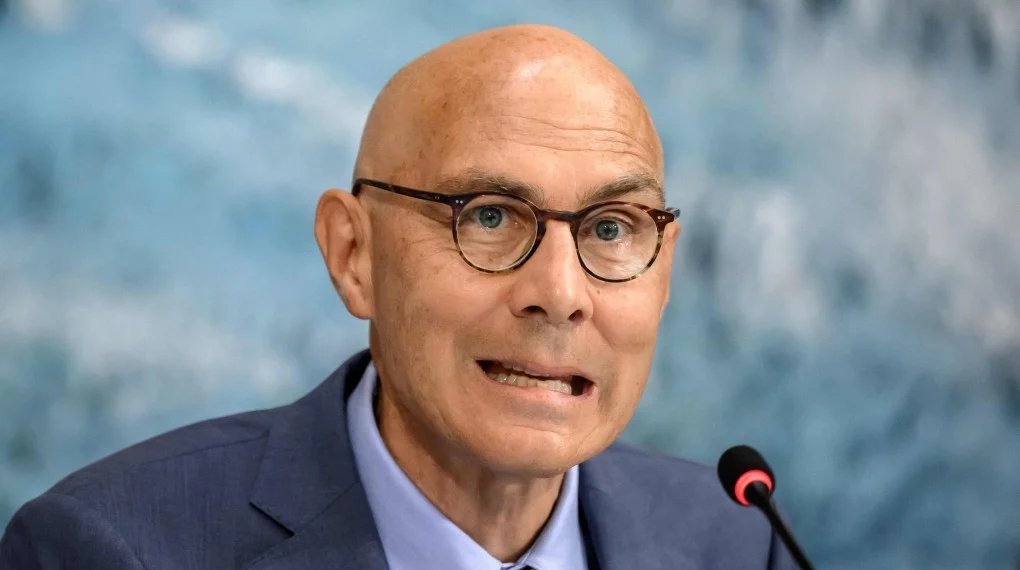
UN High Commissioner for Human Rights Volker Türk has urged every country to make human rights education compulsory from primary school through university by 2028.
He warned that the world remains dangerously unprepared to confront hatred, violence, discrimination and growing polarization.

Speaking in Geneva at a high-level panel marking the 15th anniversary of the UN Declaration on Human Rights Education and Training, Türk described human rights education as a “vaccine” against society’s deepest divisions.
“Prevention is far better than cure,” he said, arguing that teaching people about their rights can help stop conflict and injustice “before they take hold and spread.”
Türk said human rights education should be embedded across all subjects and professions—not limited to law and social sciences.
He singled out the technology sector, calling for an immediate “crash course” in human rights as artificial intelligence and digital innovation increasingly affect people’s freedoms and dignity.
Despite the UN declaration’s call for universal access, fewer than 20 percent of countries have reported progress, while major gaps remain in legislation, school curricula, public policy and teacher training. Only 34 states have so far reported on their efforts.
The High Commissioner pointed to programmes in Colombia, Northern Ireland and Jordan as evidence that human rights education can build empathy, challenge prejudice and support inclusion among children and young people, including refugees and former child soldiers.
Türk called on governments to report back on their progress by the 80th anniversary of the Universal Declaration of Human Rights in 2028.
He also announced that the UN’s “Rights in Every Classroom” initiative will bring together governments, educators, civil society and youth groups to make human rights education standard in schools and universities worldwide.
“The strongest defence of human rights lies with people who understand them, claim them and stand up for them,” UN Rights Chief said.