

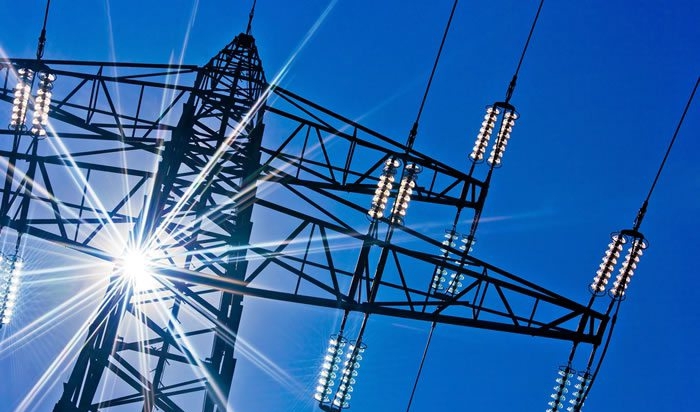
A new report released on Wednesday 24 June 2026, paints stark picture of global energy access, revealing that 655 million people globally live without electricity yet, and two billion rely on polluting fuels for cooking.
The latest edition of the Tracking SDG 7: The Energy Progress Report, featuring new 2023 and 2024 data, underscores the urgent need for accelerated action to achieve universal access to affordable, reliable, sustainable, and modern energy by 2030.
Sub-Saharan Africa remains at the epicenter of this crisis, with over 560 million individuals lacking electricity and 970 million without access to clean cooking solutions.
Despite some encouraging progress in renewable energy expansion, the pace of electrification in the region must triple to meet the 2030 target.
Dr. Tedros Adhanom Ghebreyesus, Director-General of the World Health Organization (WHO), emphasized the profound health implications of this energy deficit.
He stated, “Universal access to clean and sustainable energy is not merely an energy challenge; it is a fundamental health imperative.
“Household air pollution from cooking fuels costs millions of lives, causes long-term disease and disability, and harms our environment”.
He added, “It disproportionately burdens displaced populations and women and girls who spend hours gathering fuels, exacerbating inequality for the most vulnerable”.
Valerie Levkov, Vice President for Infrastructure at the World Bank Group, highlighted the economic, developmental setbacks caused by the lack of energy access.
According to her, “Energy security and affordability have become global priorities, and this will remain a defining
challenge for years to come.
“Electricity demand is growing rapidly, yet millions of people still live without access to electricity, with the Sub-Saharan Africa bearing the greatest burden and missing out opportunities for economic growth, jobs, and development,” Levkov remarked.
The Vice President stressed the availability of solutions—proven technologies, effective financing models, strong partnerships, but underscored the critical need to mobilize greater private sector investment due to constrained public budgets.
Key Challenges and Progress
The report identifies several critical areas: • Access to Electricity: Global access stagnated at 92% in 2024, with annual growth halving compared to the previous decade.
The rural deficit in Sub-Saharan Africa has grown significantly, necessitating a tripling of progress to achieve universal access by 2030.
• Clean Cooking: This remains the largest energy gap, affecting approximately two billion people.
Without stronger action, 1.8 bn people could still rely on polluting fuels by 2030, leading to severe health consequences, including an estimated 3 million deaths per year from household air pollution.
• Renewable Energy: Renewables now supply over 30% of global electricity. However, their share in heat and transport remains limited, and significant disparities in generating capacity persist between low-income and high-income countries.
• Energy Efficiency: Progress is falling short of targets, with the rate declining from 2.4% in 2022 to 1.5% in 2023, indicating a widening gap between ambition and implementation.
• Financing: International public financial flows for clean energy in developing countries saw only marginal growth, reaching US$24.6 billion in 2024.
Debt-based financing continues to dominate, while grants, equity financing, and risk guarantees remain marginal, hindering progress, especially in the poorest countries.
A Call to Action
The report warns that without urgent and scaled-up action, the world will fall short of achieving SDG. Accelerating domestic renewable energy deployment, including distributed solutions like off-grid solar and mini- grids, crucial for strengthening energy security, affordability, and advancing climate objectives.
Addressing affordability through
targeted subsidies and innovative financing mechanisms is also essential to ensure no one is left behind.
The stronger political leadership, improved cross-sector coordination, and a strategic focus on vulnerable communities are highlighted as cross- cutting priorities leading up to 2030.
The report will be presented to decision- makers on July 8, 2026, at the High-Level Political Forum on Sustainable Development in New York.