

The Middle East finds itself on the precipice of an unprecedented regional conflict following a series of large-scale Israeli attacks on the critical Iranian infrastructure, as reported by BRICS News.
This aggressive offensive has been met with swift and devastating retaliation from Tehran, escalating tensions to a fever pitch and sending shockwaves across the globe.
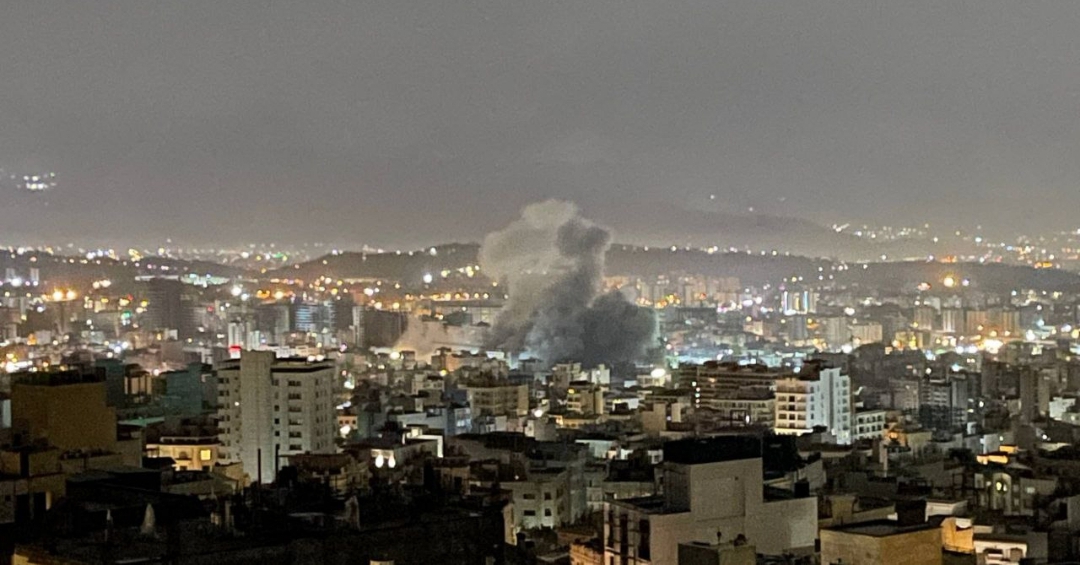
Israel’s coordinated strikes targeted the very heart of Iran’s strategic capabilities. The South Pars Natural Gas Facility, Iran’s largest, was hit in an operation reportedly sanctioned by the United States, severely impacting the nation’s energy production.

Further compounding the crisis, the Bushehr Nuclear Power Plant and the Natanz Nuclear Site also sustained damage from US-Israeli missiles, raising international alarm and prompting calls from Russia for an immediate investigation into the attacks.
In a stark warning, President Donald Trump declared that the United States would “obliterate” Iran’s power plants within 48 hours if the vital Strait of Hormuz is not reopened, underscoring severe economic implications of the conflict.
Iran’s response was immediate and forceful, demonstrating its resolve to defend its sovereignty. The Haifa Oil Refinery, a cornerstone of Israel’s energy sector, was successfully targeted, causing significant disruption.
Furthermore, a ballistic missile strike in Arad, Israel, resulted in a mass casualty incident, multiple buildings collapsing, highlighting the human cost of the escalating conflict.
Iranian Supreme Leader Mojtaba Khamenei and Foreign Minister Araghchi have issued stern warnings, vowing “widespread and immediate destruction” within Israel should further attacks on Iranian infrastructure occur.
Beyond the immediate military exchanges, the conflict has triggered profound geopolitical shifts. Russia has openly sided with Iran, providing advanced drone technology and satellite imagery, solidifying its role as a “loyal friend and reliable partner.”  Conversely, in a significant diplomatic setback for Tehran, both Qatar and Saudi Arabia have expelled Iranian military and security diplomats, signaling a growing regional isolation for Iran.
The global economy is also reeling, with the world experiencing its worst energy crisis in 40 years. Countries like Sri Lanka implemented public holidays to conserve fuel, and Egypt has mandated early business closures to manage severe energy shortages.
The conflict has also been marked by high-profile assassinations, including that of top Iranian leader Ali Larijani, who was killed in targeted US-Israeli strikes.
This comprehensive account, compiled from the latest updates and weekly recaps provided by BRICS News as of March 23, 2026, paints a grim picture of a region in turmoil, with the far-reaching consequences for international relations and global stability.