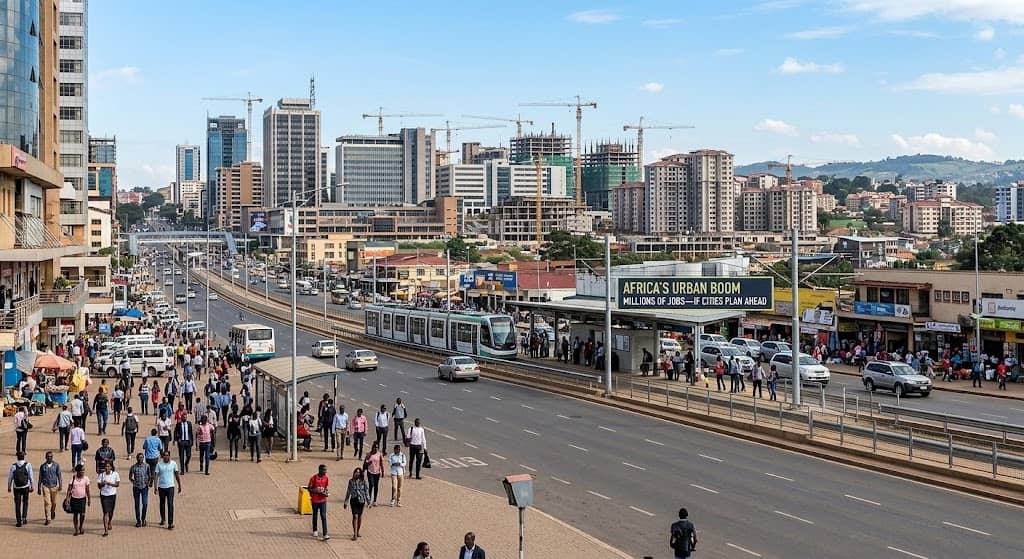


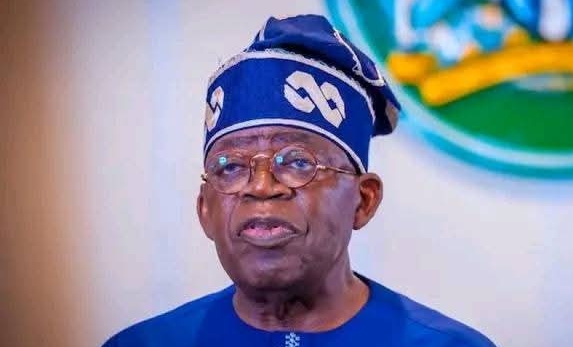
President Bola Tinubu has defended Nigeria’s latest borrowing plans, arguing that the country’s success should not be judged by how much it borrows, but by what those funds build and the opportunities they create.

In an essay titled “From Reforms to Delivery: Our Infrastructure Investment and Growth Strategy,” the President said Nigeria could not achieve its ambition of becoming a $1 trillion economy by 2030 with infrastructure designed for a far smaller economy.
He pointed to major projects—including the Lagos-Calabar Coastal Highway, the Sokoto-Badagry and Trans-Sahara superhighways, electricity-grid upgrades and the modernisation of Lagos ports—as critical investments that could reshape the country’s economic future.
The Lagos-Calabar highway alone is projected to reduce logistics costs along its route by 15 to 20 per cent, add up to two per cent to GDP and create about 100,000 direct jobs, with more than 150,000 additional jobs expected in logistics, materials and related services.
“We are not simply building highways,” Tinubu said. “We are opening economic corridors, connecting markets, unlocking industries and reshaping Nigeria’s economic geography.”
The President also highlighted investments in healthcare, education and vocational training, saying they would help connect economic regions, unlock agricultural and industrial potential and attract private capital.
Defending the administration’s economic record, Tinubu said reforms introduced since May 2023—including the removal of petrol subsidies, exchange-rate unification and tax reforms—had helped improve macroeconomic stability and investor confidence.
He cited real GDP growth of 4.43 per cent in the second quarter of 2026, a decline in headline inflation to 14.63 per cent in September from 20.98 per cent a year earlier, and foreign reserves of $55.1 billion as of October 9.
But Tinubu acknowledged that financing alone would not be enough. The real test, he said, would be whether borrowed money resulted in completed projects, stronger businesses, more jobs and better living standards.
“Securing financing is not the achievement,” he said. “Completing the project, delivering value and improving the lives of Nigerians is the achievement.”
His message was clear: Nigeria’s borrowing must become investment—roads that move goods, power that drives industry and education that expands opportunity for generations to come.