

The proposed Sokoto-Badagry Superhighway is emerging as one of Nigeria’s most ambitious infrastructure projects—one that could transform transportation, agriculture, economic activity across the communities and states along its 1,000-kilometre corridor.
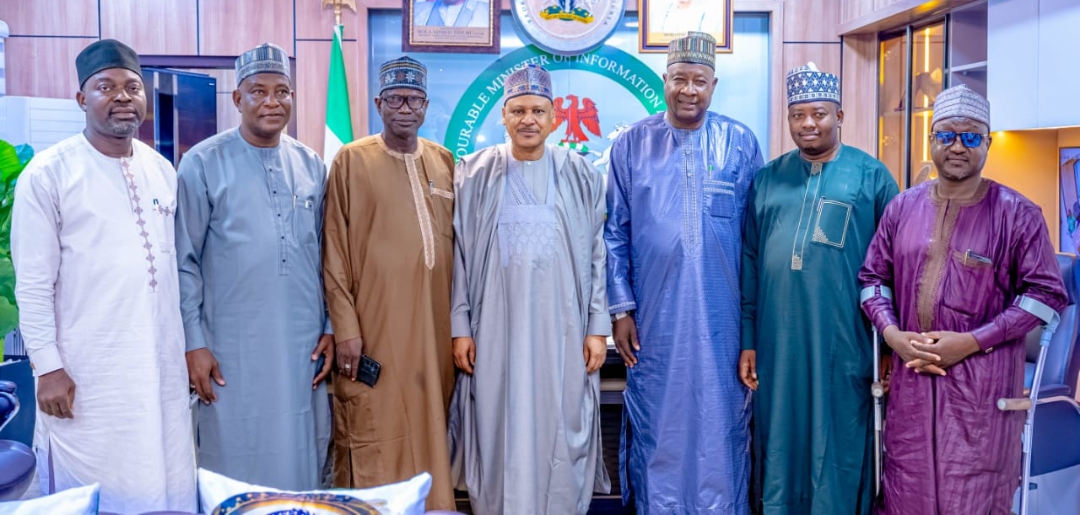
According to the Minister of Information and National Orientation, Mohammed Idris, the highway will do far more than connect Sokoto to Badagry.
It will open new routes to markets, improve the movement of agricultural produce, stimulate trade and create opportunities for businesses and communities across northern and southern Nigeria.
Kebbi State is expected to host approximately 250 kilometres of the Sokoto-Badagry Superhighway, placing it at a strategic advantage.
The highway could help the state connect its farms to larger markets, reduce transportation challenges and expand commercial agriculture, particularly in areas already known for large-scale tomato production.
The project’s impact is also expected to extend beyond the road itself. Minister Idris said about 63 dams are planned along the highway corridor, offering significant possibilities for irrigation, power generation and other economic activities.
Together, the road and the proposed dams could provide the infrastructure needed to turn agricultural potential into sustained growth.
Idris highlighted Kebbi’s experience in tomato farming and the important role women are playing in agriculture as examples of what collaboration between the Federal Govt and state governments can achieve.
With the Sokoto-Badagry Superhighway, these initiatives could gain greater access to transportation, investment and national markets.
Kebbi State Commissioner for Information Yakubu Ahmed Birnin-Kebbi said the state was committed to working with the Federal Govt to unlock its potential in agriculture, education, healthcare, infrastructure and security.
The Sokoto-Badagry Superhighway therefore represents more than a major road project. It is envisioned as an economic corridor—linking farmers to consumers, communities to investment and states to new opportunities.
For Kebbi and the other states along its route, the highway could become a foundation for broader development and a powerful connection to Nigeria’s future.