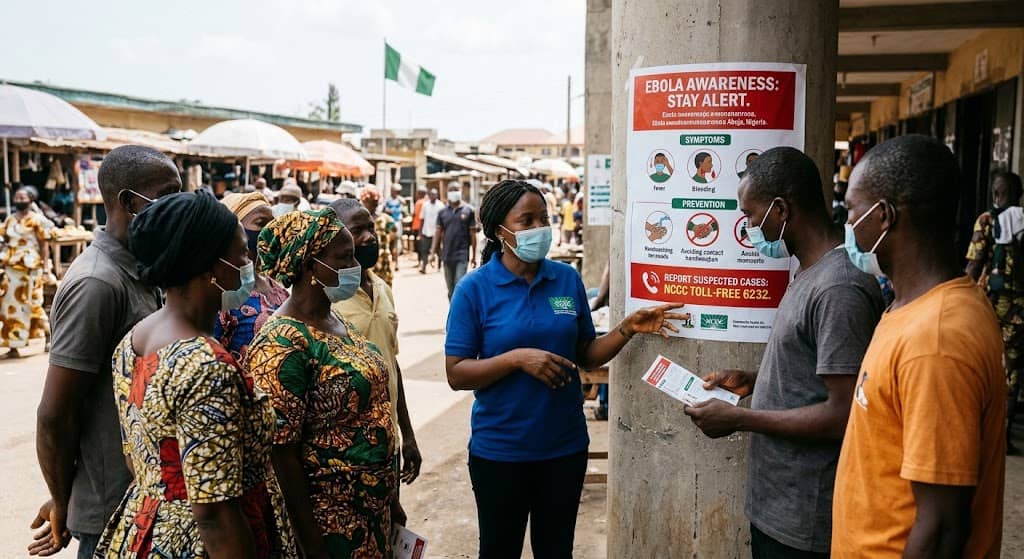


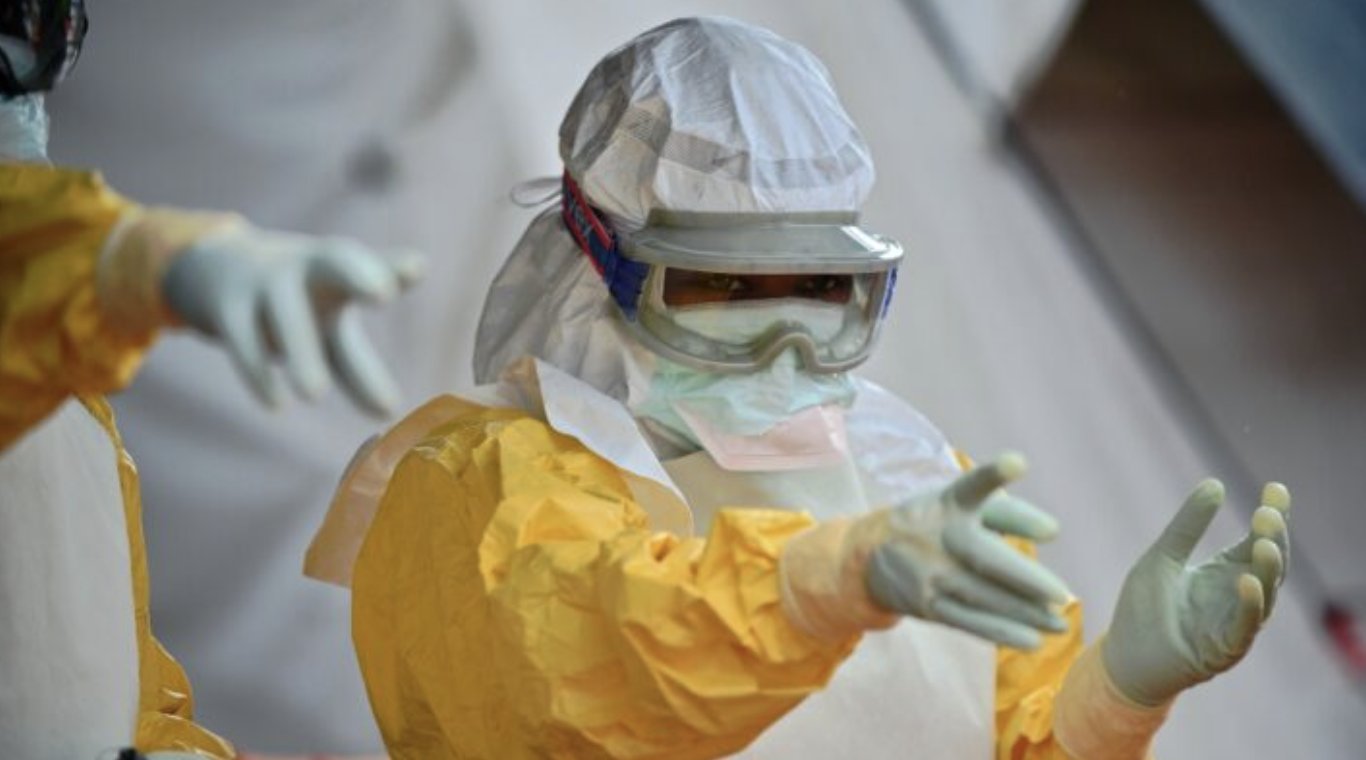
Authorities in Uganda and Nigeria have started investigating the movements and possible exposure history of a woman who tested positive for Bundibugyo virus disease after travelling to Nigeria.

Uganda’s Ministry of Health said the traveller did not show symptoms when she departed the country.
However, officials cautioned that the timing of symptom onset has not yet been established, leaving key questions about when and where she may have contracted the virus.
The woman travelled from Uganda to Nigeria, where she later tested positive and was placed in isolation.
Nigerian authorities say she is in stable condition and recovering. Contact tracing is under way, with people linked to the case being monitored and tested.
The Ugandan health officials are working with their Nigerian counterparts to reconstruct the woman’s full travel history, movements and possible points of exposure.
Kampala has requested additional information, including detailed travel records and genomic sequencing results, to help determine the relationship between the case and other infections reported in the region.
The investigation is particularly focused on whether the woman was infected before leaving Uganda, during her journey or after arriving in Nigeria. Officials have not yet announced a confirmed source of infection.
As the investigation continues, Uganda has reinstated traveller locator forms for all arrivals, regardless of their country of origin. The measure is intended to help health authorities quickly trace passengers if a suspected case is identified.
The country has also strengthened infection-prevention measures at border crossings, airports and health facilities.
Travellers with a history of travel to the Democratic Republic of Congo will not be permitted to transit through Uganda, while people using unauthorised routes may face action under the Public Health Act.
Uganda’s Director General of Health Services, Prof. Charles Olaro, said the country remains Ebola-free. He urged the public to remain calm and vigilant, practise proper hand hygiene and comply with screening procedures.
The case has also prompted heightened surveillance in Nigeria, where officials say the infection remains isolated and there is no evidence of wider community transmission.
Genomic analysis has found similarities between the Nigerian case and a strain detected in Kenya, although authorities say no direct link has been established.
The investigation remains ongoing, with the woman’s travel history, symptom timeline, exposure risks and laboratory findings expected to determine how the infection occurred and whether anyone else may have been exposed.