


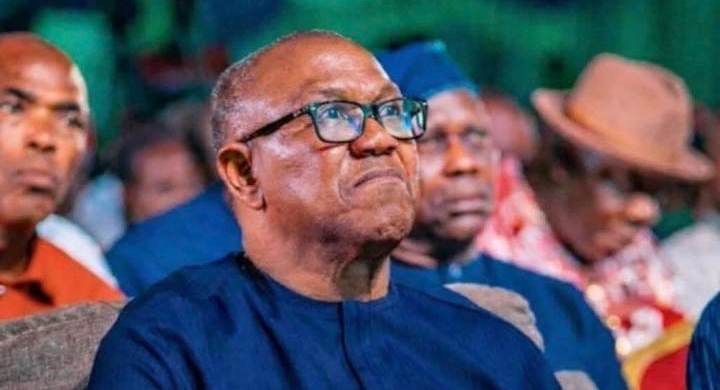
As Nigeria gears up for the highly anticipated 2027 general elections, a critical conversation is emerging about who gets to participate in shaping the nation’s future.
Public figure Peter Obi has issued a compelling appeal to the Independent National Electoral Commission (INEC), urging them to extend the voter registration window.
His message strikes a delicate balance
between administrative necessity and democratic inclusion.
At the heart of this appeal is the demographic reality of Nigeria. Every day, a new wave of young citizens reaches the constitutional voting age of 18.
These young Nigerians are not merely the leaders of tomorrow; they are active stakeholders in the present.
Obi points out the injustice of denying them the opportunity to exercise their civic duty simply because the registration window closed prematurely.
In a country with a massive youth population, their inclusion is not just a courtesy—it is a democratic imperative.
This argument is not just a political plea; it is anchored in legal precedent.
Obi cites a landmark High Court judgment from November 22, 2022 (Anaja Salmat & 3 Others v. INEC).
In this ruling, the Federal High Court declared that voter registration should continue until at least 90 days before a general election.
This legal backing provides a solid foundation for extending the registration period, ensuring that the constitutional voting rights of eligible Nigerians are protected.
However, the appeal acknowledges the monumental task ahead of INEC. The commission is burdened with the responsibility of delivering free, fair, and credible elections.
This requires ample time to clean the voters’ register, update records, and handle complex logistical preparations.
The goal is not to compromise the integrity of the electoral process, but
rather to find timeline that accommodate both thorough preparation and maximum participation.
Ultimately, a robust democracy thrives when every eligible voice is heard. By extending the registration window to the latest practical date, INEC can ensure that the 2027 elections truly reflect the will of the people.
This balanced approach protects the process’s integrity while guaranteeing that no eligible citizen, particularly the nation’s vibrant youth, is unnecessarily disenfranchised. It is a call to ensure that Nigeria’s democratic process is as
inclusive as it is credible.