

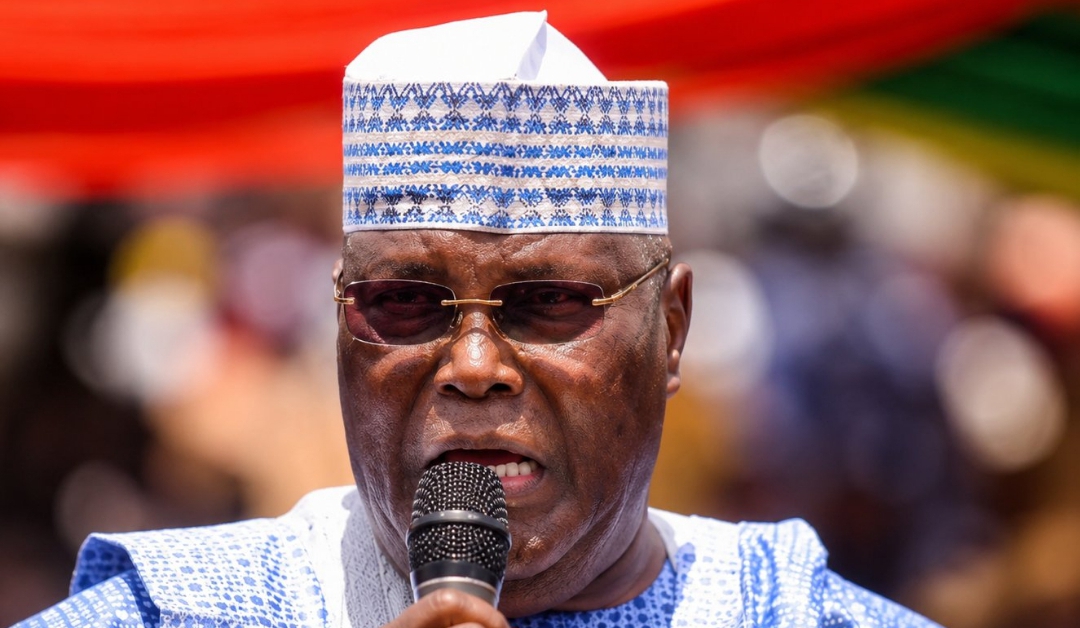
Former Vice President and African Democratic Congress presidential candidate, Atiku Abubakar, has linked reported cases of young Nigerians selling or losing their kidneys to the country’s worsening cost-of-living crisis.
In a statement posted on X on Friday, Atiku said young Nigerians should be “selling dreams, ideas and innovation, not their body organs,” warning that reports of people resorting to kidney sales reflected “desperation at its most frightening.”
“Young Nigerians should be selling their ideas, talents and innovation to the world and not their kidneys for ₦1.7 million just to survive at home,” he wrote.
Atiku blamed President Bola Tinubu’s economic policies for rising hardship, citing increases in the cost of food, transportation, rent, education, medicine and electricity.
He said no government should celebrate economic reforms while vulnerable citizens were allegedly being forced to consider selling body parts to meet basic needs.
The former vice president’s comments followed recent reports of an alleged organ-harvesting and human-trafficking syndicate investigated by the Nigeria Police Force.
According to a report by PUNCH, police recently paraded four suspects, including two nephrologists, in connection with the case.
Investigators reportedly alleged that a 22-year-old man had been lured to a hospital in Abuja in April, where his kidney was removed.
One suspect, Emmanuel Ode, was said to have told investigators that the organ was sold for $1,250—approximately ₦1.7 million at the time.
However, the reported amount and the wider claim that young Nigerians are increasingly selling their kidneys for survival have not been independently established.
PUNCH said Atiku did not attribute the ₦1.7 million figure to a particular report or government agency and that it could not independently verify it.
The police allegations also remain subject to investigation and possible prosecution.
They do not, by themselves, establish that kidney sales are a widespread consequence of the cost-of-living crisis or that all alleged victims acted voluntarily.
Nigeria’s National Health Act provides a legal framework for healthcare and regulates human tissues, organs and transplantation.
Commercial dealings in human organs are prohibited, while organ trafficking and the exploitation of vulnerable people may also attract criminal sanctions under relevant laws.
Atiku acknowledged the legal prohibitions but argued that legislation alone would not address the poverty and vulnerability that allow criminal networks to prey on desperate young people.
He called for reforms aimed at lowering the cost of food and transportation, expanding access to healthcare, creating decent jobs and restoring hope among young Nigerians.
The Tinubu administration has defended its economic reforms as necessary measures to stabilise the economy, attract investment and promote long-term growth.
Atiku, however, argued that reform must have a “human face” and concluded with a campaign message: “Tinubu made Nigeria expensive. I will make Nigeria affordable again.”
The controversy highlights the need for authorities to establish the facts behind the reported kidney case, protect potential victims and prosecute anyone involved in coercion, deception, illegal organ removal or trafficking.
It also underscores the importance of addressing the economic pressures that leave vulnerable Nigerians exposed to exploitation.