

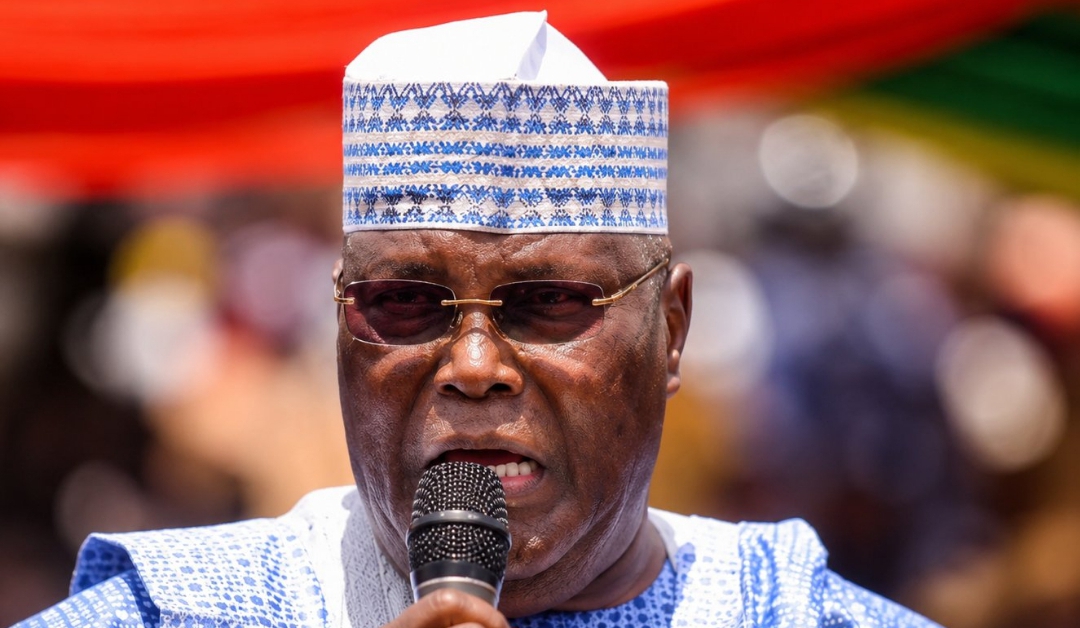
The debate over the Nigeria’s petrol subsidy has resurfaced after former Vice-President Atiku Abubakar proposed restoring the policy, prompting a strong rebuttal from the presidency.
In a statement issued on August 20, 2026, Bayo Onanuga, Special Adviser to President Bola Tinubu on Information and Strategy, argued that returning to the old subsidy regime would undermine reforms in the petroleum sector and place renewed pressure on public finances.
Onanuga said the proposal represented a reversal of Atiku’s previously stated position that fuel subsidies should be removed.
He described the new position as politically motivated, while acknowledging Atiku’s constitutional right to propose alternative policies and seek public support.
The presidential aide said subsidy payments were not a simple discount funded from an existing pool of government money.
Rather, he explained, the system required the government or the national oil company to absorb the difference between the cost of supplying petrol and its regulated pump price.
According to the statement, that arrangement contributed to large financial obligations, borrowing pressures and losses within the petroleum sector.
The presidency also maintained that the legal and commercial environment has changed since the subsidy was removed in 2023.
The Petroleum Industry Act established a new framework for the downstream market, while increased domestic refining capacity—particularly from the Dangote Refinery—has reduced Nigeria’s dependence on imported petrol, the statement said.
Onanuga warned that restoring a subsidised price in the current market could weaken smaller domestic refineries, discourage local production and place the cost of the policy on government revenues.
He said the funds could otherwise support states and local councils, infrastructure and social services.
The statement cited a July federation- account distribution of about ₦3 trillion as evidence of improved public revenue following the end of petrol-price discounts and foreign-exchange reforms.
The govt acknowledged that higher petrol, transport and energy costs have imposed real hardship on households and businesses.
It pointed to compressed natural gas as one alternative, saying CNG could be substantially cheaper than petrol for taxis, cars and delivery vehicles.
At the centre of the dispute is a question that remains unresolved: how much would a restored subsidy cost, who would finance it, and what safeguards would prevent the waste and abuse associated with the previous system?
The presidency urged Atiku and other political actors to provide detailed answers on the policy’s annual cost, funding source, legal basis and implementation under Nigeria’s changed petroleum-market structure.
The renewed argument reflects a broader choice facing Nigerians: whether to prioritise immediate relief through regulated fuel prices or continue with reforms aimed at strengthening domestic refining, protecting public finances and allowing market competition to shape energy costs.
For the debate to move beyond political slogans, both sides will need to explain not only what petrol should cost at the pump, but also who ultimately bears the bill.