

The Federal Government has ordered the immediate deployment of major contractors to all three sections of the troubled Benin–Asaba Road, following mounting hardship for motorists and commuters along the corridor.
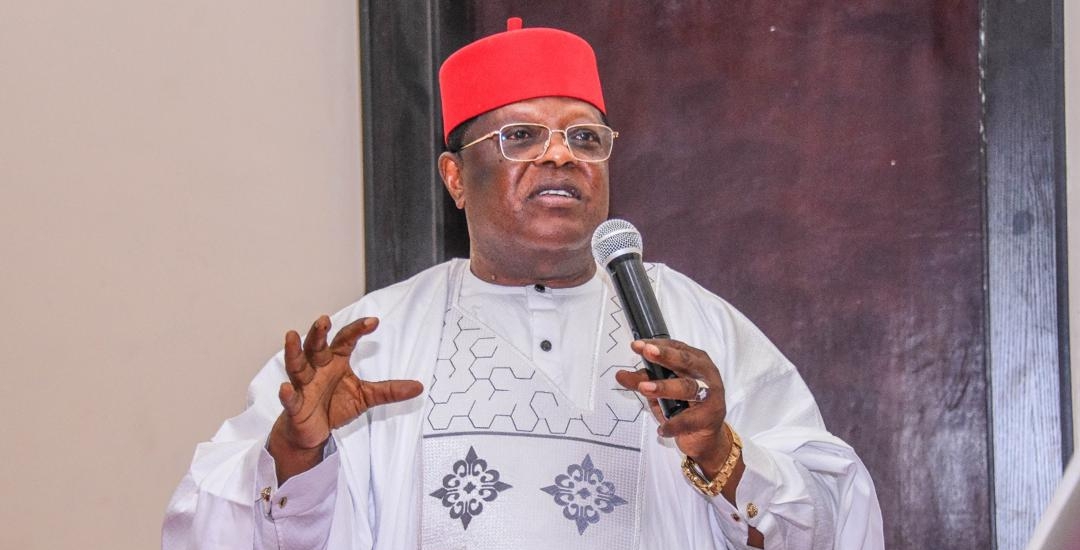
The directive was issued by the Minister of Works, Senator Dave Umahi, who said public interest must now take precedence over the existing concession agreement governing the road.
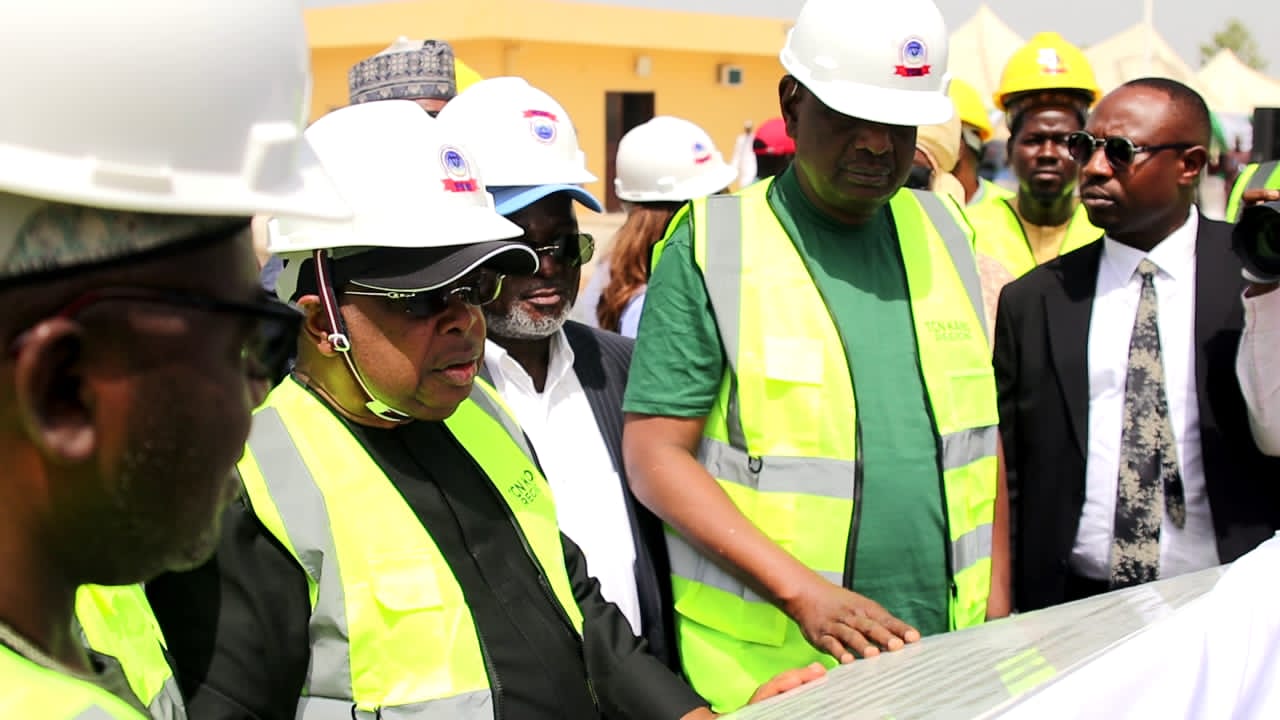
According to a statement issued by his media aide, Francis Nwaze, the minister inspected the road about a week ago and directed contractors to prepare emergency palliative works.
However, the concessionaire reportedly withheld the permission required under the agreement for the Federal Government to intervene.
The government subsequently presented the concessionaire with three options that would have allowed urgent repairs to proceed, but none was accepted.
The situation deteriorated further after the concessionaire reduced the already limited equipment operating on the road to just one machine.
With motorists facing worsening delays and dangerous failed sections, Umahi has now directed the Federal Government to take direct action.
The cost of the emergency intervention will be borne by the government, while the entire route is to be redesigned and rebuilt with reinforced concrete pavement.
The ministry said work would begin immediately to restore every failed section before the full rehabilitation of the road.
The intervention forms part of a wider Federal Government programme targeting critical roads and bridges across the country.
Emergency and permanent works are also under way on the Benin–Sapele, Ifaki–Kabba, Bauchi–Jigawa, Sagamu– Ore, East–West, Abuja–Lokoja and Lokoja–Benin–Warri roads.
On the Abuja–Kaduna–Zaria–Kano route, the government said 118 kilometres had been completed, while another 164-kilometre section was more than 60 percent complete.
Solar-powered lighting is also being installed along the route, which is scheduled for completion by December 2026.
The government said similar interventions were progressing on the First and Second Niger Bridges, Carter Bridge, the Lagos–Ibadan Road and other flood-damaged sections nationwide.
The Works Ministry said more than 80 percent of inherited federal road projects were currently receiving attention.
It acknowledged the public’s frustration but argued that the scale of the country’s infrastructure backlog made it impossible to resolve every problem within three years.
Rather than rely solely on short-term repairs, the ministry said the administration was adopting reinforced concrete pavement for major routes, with roads designed to last between 50 and 100 years.
For motorists stranded on the Benin–Asaba corridor, however, the immediate test will be whether the promised emergency works can finally restore safe and reliable movement on one of the country’s most important highways.