

The Federal Government has defended President Bola Ahmed Tinubu’s economic reforms, saying they are beginning to improve security, education, infrastructure and economic stability across Nigeria.

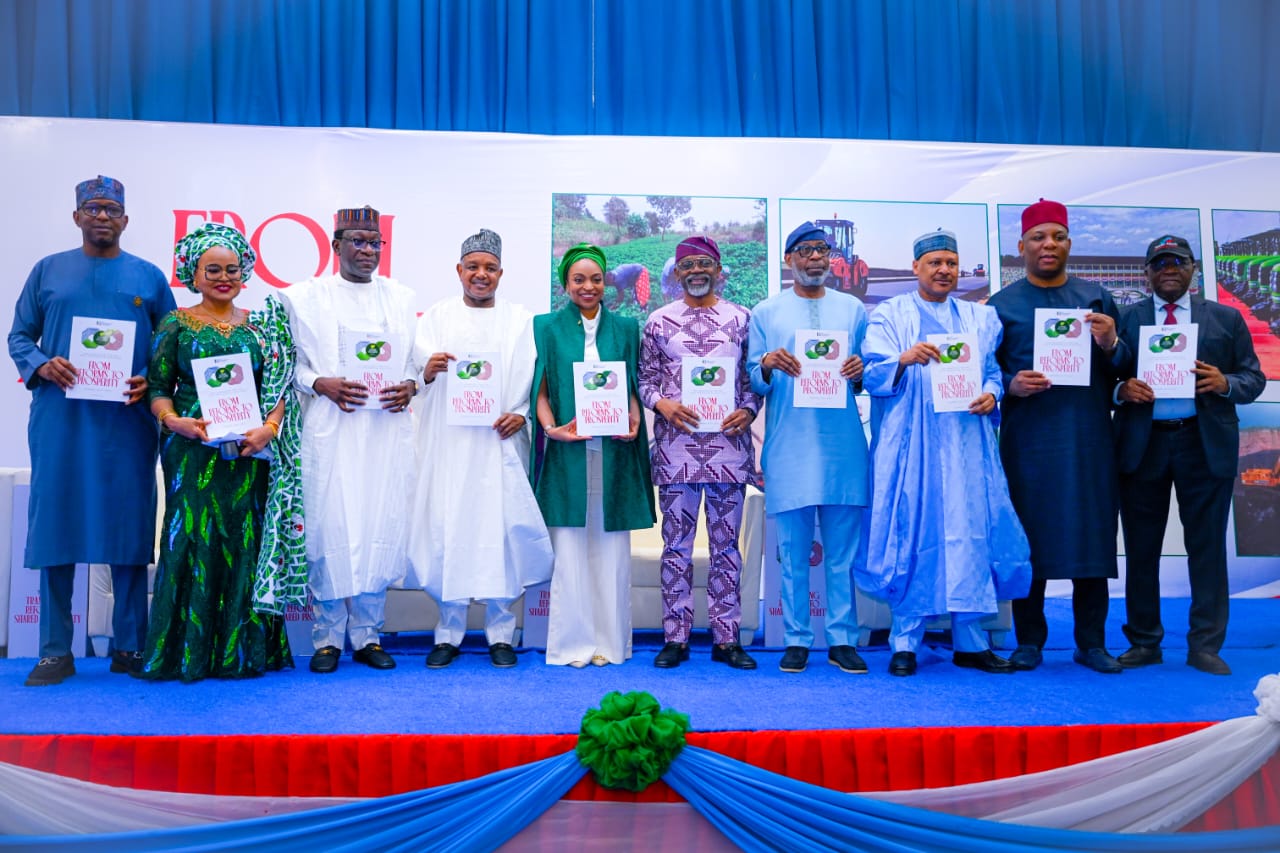
Speaking in Abuja at the unveiling of the APC’s 2027 presidential manifesto, Information Minister Mohammed Idris cited the NELFUND student-loan programme, improved security, Nigeria’s exit from the FATF grey list, falling inflation and stronger credit ratings as evidence of progress.
Idris acknowledged that challenges remain but urged journalists to report both government shortcomings and positive developments.
He said the reforms were laying the foundation for wider prosperity, with the administration promising to extend their benefits to more Nigerians over the next four years.
Presenting the manifesto, Chief of Staff Femi Gbajabiamila described it as a “contract” with Nigerians. The APC pledged to halve the number of out-of-school children by 2031 and install seven million additional electricity meters.
Other targets include stronger food security, expanded local production, lower living costs, increased exports and one million export-linked jobs for young Nigerians by 2030.
Budget Minister Atiku Bagudu said Tinubu’s long-term ambition was to build a $2 trillion economy, while acknowledging the need to ensure that hardworking families and vulnerable citizens share in the gains of growth.