

The World Health Organization has launched a new global movement aimed at restoring public trust in science and ensuring that scientific progress translates into healthier, fairer and more resilient societies.

Called Together for Science and Health, the initiative brings together more than 240 organizations, including scientists, policymakers, institutions and leaders from across sectors.
The movement was launched on Tuesday to coincide with World Science Day for Peace and Development, with 12 events taking place around the world.
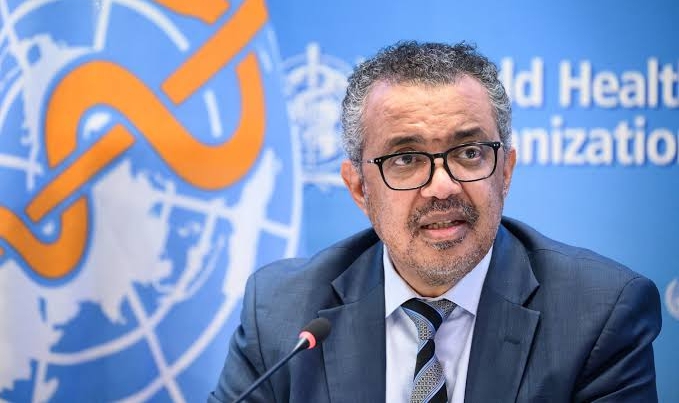
WHO Director-General Dr Tedros Adhanom Ghebreyesus and French President Emmanuel Macron are leading the launch, which is closely linked to the Paris Peace Forum — a major platform for international diplomacy and cooperation.
“Science is one of humanity’s most powerful tools, and has always been the engine of better health,” Tedros said. “Through the Together for Science and Health Movement, WHO and partners are working together to champion evidence, trust and innovation as the foundations of healthier societies.”
The movement comes as confidence in institutions and expert advice faces mounting pressure worldwide. At the same time, rapid technological change and artificial intelligence are reshaping how people find, interpret and share information about science and health.
WHO says the initiative will focus on three priorities: bringing science closer to society, strengthening the use of evidence in health policymaking, and improving the way scientific information is communicated and debated.
Participating organizations will share resources, successful approaches and lessons learned while developing practical partnerships designed to strengthen public confidence in scientific evidence.
Science already shapes daily life, from disease prevention and outbreak response to vaccines, medicines and improved medical care.
WHO says many of the world’s biggest health advances have depended not only on discovery, but also on people’s willingness to trust evidence and support its use.
“No institution, country or community can build and sustain trust alone,” said Dr Sylvie Briand, WHO Chief Scientist and Assistant Director-General a.i. for Health Systems, Access and Data.
“The movement will bring a wide range of stakeholders together around the idea that science is a shared resource that can help us build healthier, fairer and more resilient societies.”
WHO is inviting organizations and institutions around the world to join the movement, contribute their expertise and networks, and help create stronger connections between science and the communities it serves.
The initiative’s central message is clear: in an era of misinformation, polarization and rapid technological change, trust in science cannot be taken for granted. It must be built collectively — and translated into action that improves health for everyone.