

The African Union has urged African countries to strengthen economic sovereignty, improve resource governance and deepen regional integration as essential steps toward securing lasting peace across the continent.

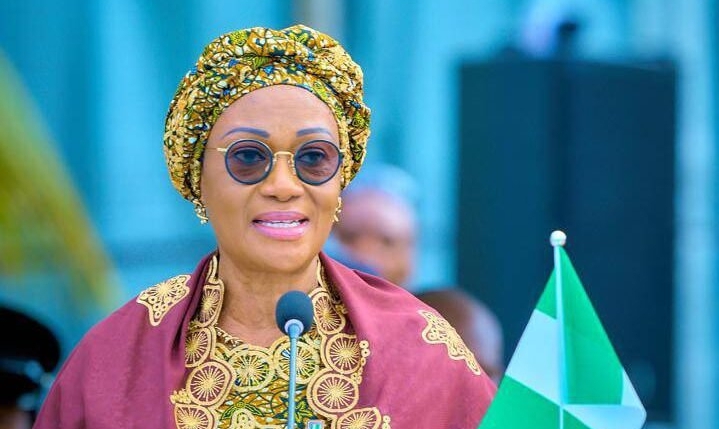
The call was made in a message from African Union Commission Chairperson Mahmoud Ali Youssouf delivered by AUC Deputy Chairperson Selma Malika Haddadi at the 12th Tana High-Level Forum on Security in Africa in Bahir Dar, Ethiopia.
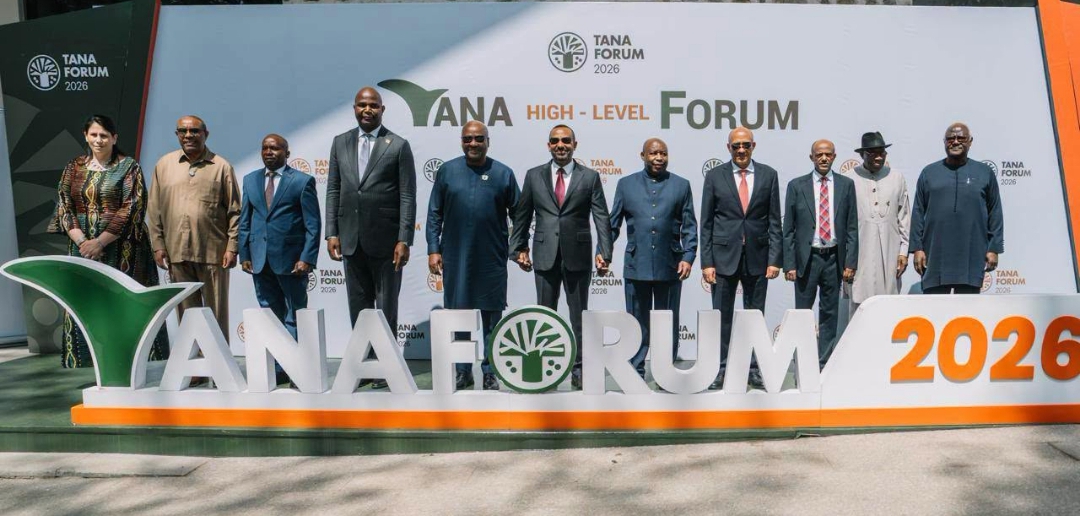
Held under the theme “Pathways to Peace in Africa: Economic Sovereignty and Geopolitical Transformation,” the forum brought together African leaders, ministers, former heads of state, regional and international organisations, scholars and policymakers from 23 to 25 October.
Youssouf said Africa’s pursuit of peace must address the continent’s continued inability to fully transform its natural wealth, finance its own priorities and influence international decisions affecting its future.
“Africa’s economic sovereignty and its ability to shape a changing international order are mutually reinforcing foundations for sustainable peace,” he said.
The AU chairperson called for stronger cooperation between the African Union, regional economic communities and regional mechanisms, arguing that coordinated institutions were essential to preventing conflict and responding effectively to threats that cross national borders.
He said the continent must move beyond discussions and ensure that political commitments produce tangible improvements in people’s lives.
Turning resources into shared prosperity
A central focus of the message was the need for African countries to extract greater value from their mineral, agricultural and energy resources.
Youssouf urged governments to invest in local processing, infrastructure, skills development and regional value chains rather than exporting raw materials with limited benefits for African economies.
He also called for transparent contracts and accountable management of resource revenues, warning that communities often bear the environmental and social costs of extraction while receiving little of the resulting wealth.
“When communities bear the costs of extraction while seeing little benefit, grievances deepen,” the message said. “Where revenues escape public oversight or sustain armed networks, wealth becomes a source of insecurity.”
The AU chairperson described effective resource governance as a foundation for peace, saying economic exclusion and the mismanagement of public wealth could fuel instability and armed conflict.
He further called for greater domestic resource mobilisation, stronger action against illicit financial flows and fairer access to development finance. Africa, he said, must retain and reinvest more of the value generated by its resources to support its own transformation.
Stronger institutions and predictable funding
The message also highlighted the importance of adequately funding African institutions responsible for peace, security and integration.
Youssouf said cooperation among the AU, regional economic communities and regional mechanisms must be reflected in practical areas such as political engagement, early-warning systems, mediation and the implementation of agreed decisions.
“Threats move across borders. Our responses must connect national, regional and continental capacities with equal determination,” he said.
He warned that African institutions could not fulfil their mandates without predictable financing. African ownership, he added, must be matched by the willingness of member states to support the mechanisms they establish.
The address also identified digital transformation as an emerging element of continental sovereignty. Africa needs the skills, infrastructure and regulatory capacity to govern its data, protect public institutions and foster innovation, according to the AU.
Youssouf said digital development must help expand opportunity and public trust while strengthening the continent’s ability to counter cyber threats, disinformation and new forms of dependency.
Regional integration as a peace tool
The AU chairperson argued that regional integration should become a lived reality for ordinary citizens rather than remain a political aspiration.
He called for African borders to become gateways for cooperation, trade, security and shared prosperity, pointing to the role of border communities whose economic, cultural and social ties already connect neighbouring countries.
The full implementation of the African Continental Free Trade Area, he said, would require better transport corridors, modern border posts, simpler customs procedures and stronger cooperation among neighbouring states.
He also urged countries to advance ratification and implementation of the AU Protocol on Free Movement of Persons, Right of Residence and Right of Establishment.
Such measures, he said, should give Africans greater opportunities to travel, study, work, trade and build relationships across the continent while protecting their rights and dignity.
At the same time, Youssouf called for stronger cooperation against trafficking, organised crime and the illicit exploitation of natural resources.
He cautioned against treating informal cross-border traders as security threats, saying many of them sustain families and local economies.
Border policies that indiscriminately criminalise their activities, he argued, risk deepening exclusion and weakening trust in public institutions.
Young people and women urged to shape Africa’s future
The message stressed that women and young people must have meaningful influence over Africa’s political and economic decisions.
Youssouf cited the appointment of Vanessa Nakate as his Special Envoy for Youth as evidence of the AU’s commitment to involving young Africans in shaping continental policies and programmes.
He said youth participation must extend beyond symbolic representation to peace processes, economic governance, digital innovation and climate action.
“The credibility of our continental ambitions depends on whether young people can see and shape a future within them,” he said.
The address concluded with a call for African leaders to convert unity into collective action and ensure that the pursuit of sovereignty improves the lives of citizens.
“The unity we affirm must become the capacity to act together,” Youssouf said. “The sovereignty we seek must improve the lives of our people. And the peace we pursue must be sustained by their trust, participation and shared prosperity.”