

The world’s next health emergency will test more than laboratories and hospitals. It will test whether nations can act together while the World Health Organization is urging them to prepare now.
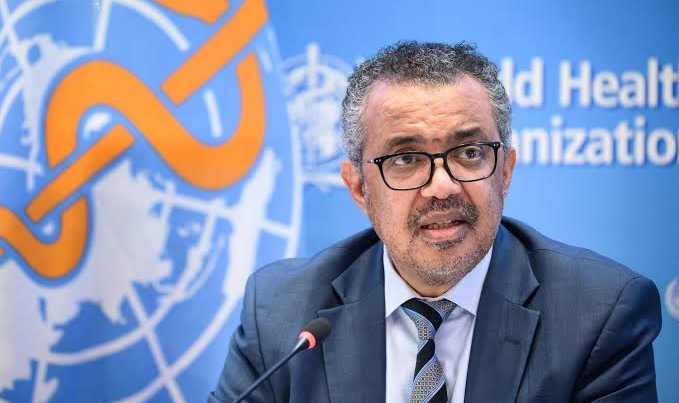
Opening the first meeting of the States Parties Committee for Implementation of the International Health Regulations, WHO Director-General Tedros Adhanom Ghebreyesus called on countries to convert the hard lessons of COVID-19 into practical, measurable action.
The committee was created under amendments to the International Health Regulations adopted in 2024, which entered into force nearly a year ago.
Its task is straightforward but consequential: examine how countries are applying the rules, identify obstacles, share effective practices and help governments meet their obligations before the next crisis arrives.
“International threats demand a coordinated international response,” the WHO chief said, emphasizing that global health security is a shared responsibility rather than a collection of national efforts.
Recent outbreaks have shown what that cooperation can achieve. During this year’s hantavirus outbreak, the United Kingdom alerted WHO and international community, laboratories in South Africa and Switzerland confirmed the virus, and countries across Europe, Africa and South America helped evacuate patients, care for crew members, repatriate passengers and conduct epidemiological investigations.
The ongoing Ebola epidemic in the Democratic Republic of the Congo, however, remains a stark reminder that cooperation must be backed by strong national systems: early detection, rapid reporting, accurate assessment and dependable coordination.
The WHO outlined four priorities for the committee: translating international agreements into country-level action; measuring progress and ensuring accountability; advancing equity so that no country is left behind; and improving coordination to prevent fragmented responses.
The message was clear: implementation cannot be a one-time exercise. It must be a continuous process of preparation, learning and improvement.
If countries provide the leadership, political will and resources required, the WHO said, the strengthened regulations could become more than a post- pandemic reform. They could form the foundation of a safer world when the next health threat emerges.