

In a major push to revitalize Nigeria’s ailing healthcare sector, President Bola Ahmed Tinubu has officially designated the nation’s medical diaspora as central strategic partner in healthcare reform and national development.
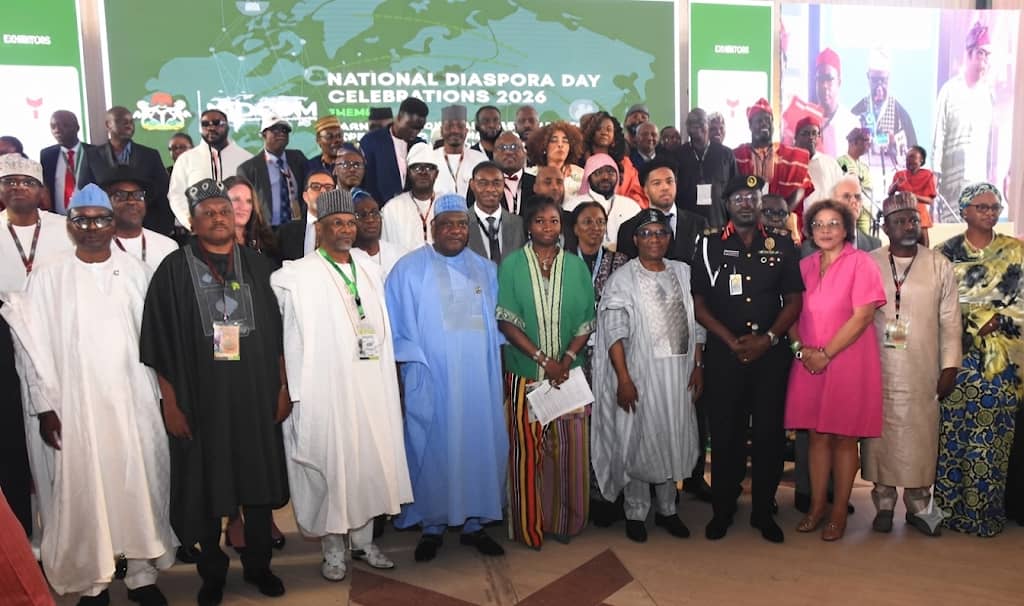
The declaration was made on Friday while opening the 2026 National Diaspora Day (NDD) celebration in
Abuja.
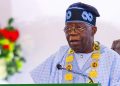
Speaking through the Secretary to the Government of the Federation, Sen. George Akume, the President described Nigerian medical professionals abroad as “one of the country’s greatest strategic assets.”
This year’s event, themed “Harnessing Global Diaspora Medical Expertise to Strengthen Local Health Systems for National Development,” signals a shift in
the administration’s 4-D Foreign Policy (Democracy, Development, Demography, and Diaspora).
The President commended the Nigerians in Diaspora Commission (NiDCOM), led by Chairman/CEO, Abike Dabiri-Erewa, for successfully coordinating the Diaspora Healthcare Impact Initiative (DHII) 2026.
This initiative, a collaboration with the Federal Ministry of Health and Social Welfare, has brought together medical practitioners from across the globe to support healthcare delivery across Nigeria’s six geo-political zones.
“Our Diaspora is a source of national pride,” Tinubu stated. “Across the world, Nigerian doctors, nurses and public health leaders are saving lives, advancing science and shaping global healthcare. Beyond their personal success, they remain deeply connected to Nigeria.”
Institutionalizing Diaspora Healthcare
Recognizing the challenges facing the Nigerian healthcare system—including inadequate infrastructure, personnel shortages, and limited specialized care—Tinubu announced a major policy shift. He disclosed that the Federal Govt will institutionalize the DHII.
This new structured platform will coordinate diaspora healthcare contributions, provide incentives for medical professionals who choose to return to practice or invest in Nigeria,
and ensure transparency and measurable impact.
The President urged professionals
worldwide—from surgeons in London to laboratory scientists in China—to deploy their expertise in building a resilient, world-class healthcare system at home.
Stakeholders present at the NDD celebrations widely praised the initiative. Senator Aniekan Bassey, Chairman of the Senate Committee on Diaspora and NGOs, called for deeper collaboration through research, telemedicine, and mentorship.
Similarly, Hon. Chinedu Tochukwu Okere, Chairman of the House Committee on Diaspora Affairs, described the medical diaspora as a “vital national asset” and urged policies that encourage greater
participation.
International partners also voiced strong support. Mr. Amr Taha of the International Organization for Migration (IOM) noted that migrants contribute significantly to global GDP, while EU Ambassador Gautier Mignot highlighted that challenges like brain drain present
opportunities to harness diaspora expertise.
Empowering the Next Generation
Beyond healthcare, the 2026 National Diaspora Day also focused heavily on youth empowerment and reintegration. Hon. Abike Dabiri-Erewa encouraged young Nigerians to pursue their dreams with confidence, emphasizing that determination and resilience can
overcome any obstacle.
The event featured personal testimonies from returnees, including a Chemical Engineering student who returned from South Africa despite establishing a successful tutoring business there, citing bureaucratic challenges, discrimination as his reasons for leaving.
Another returnee, Mrs. Maria Adeyemi, expressed profound gratitude to the federal government and NiDCOM for facilitating her family’s safe return after facing financial loss and documentation challenges abroad.
The Group Managing Director of ARCO Group Plc, Engr. Alfred Okoigun, delivered a goodwill message urging Nigerian youths to embrace innovation, integrity, and lifelong learning to drive national development.
Looking Ahead
The 2026 National Diaspora Day has solidified the Federal Government’s commitment to leveraging the brilliance and patriotism of its global citizens.
As President Tinubu concluded, the contributions of the diaspora remain “indispensable to achieving sustainable national development and improving the quality of life of all Nigerians.” With the institutionalization of the DHII, Nigeria is actively transforming its historical “brain drain” into a sustainable “brain gain”.