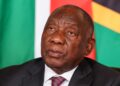


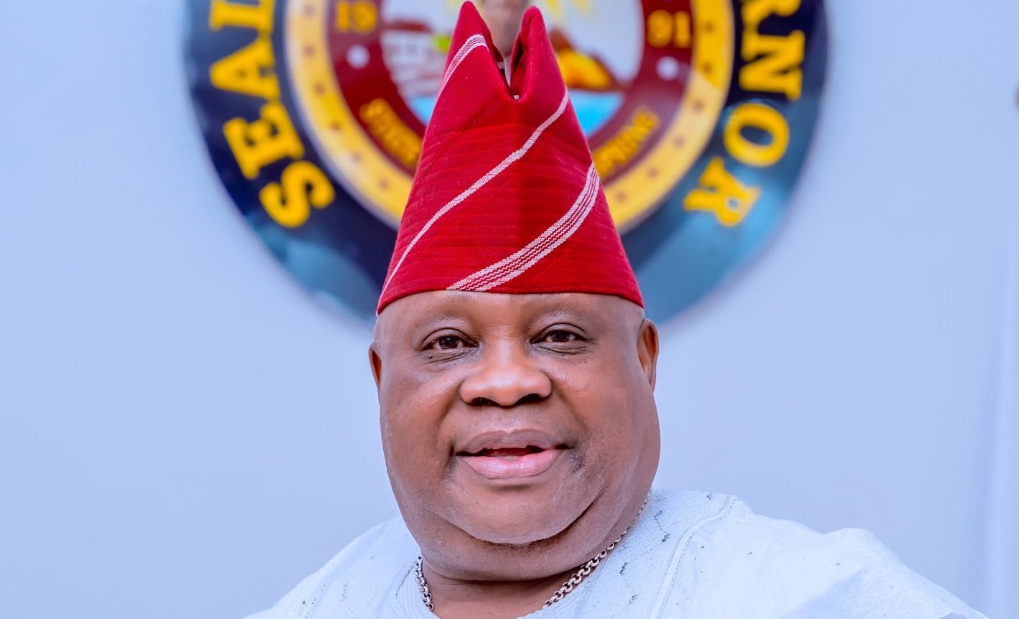
The reactions from Political figures like Atiku Abubakar and Peter Obi to Ademola Adeleke’s re-election in Osun State went beyond routine congratulations.
Both opposition Presidential candidates accepted the declared result, credited the electorate with determining the outcome, and presented the election as evidence that citizens can influence political leadership through the ballot.
Atiku: A restrained endorsement of voter choice
Atiku’s message was notably measured. He congratulated Adeleke and said the victory demonstrated “the choice of the people of Osun as expressed at the ballot box.”
He also commended voters for their passion and peaceful participation and wished Adeleke success as he begins another term.
The central feature of Atiku’s reaction was electoral acceptance. Rather than contesting the outcome or focusing on campaign disputes, he recognised the voters’ decision and directed attention to the responsibilities of the returning governor.
His wording also gave the result democratic legitimacy without turning the message into an explicit attack on the APC-led federal government.
Atiku’s position carries additional political weight because he is a prominent opposition figure and, according to Channels Television, the presidential candidate of the African Democratic Congress.
His response therefore serves two purposes: it congratulates Adeleke personally while projecting an image of an opposition politician prepared to acknowledge an unfavourable or politically independent result when it is declared.
Obi: From congratulation to national mobilisation
Peter Obi adopted a more expansive and activist tone. Under the headline “Osun: When the People Stand, Democracy Wins,” he congratulated Adeleke and the people of Osun, arguing that the election demonstrated citizens’ power to choose their leaders.
He attributed Adeleke’s renewed mandate to the governor’s commitment, compassion, work, and achievements in office.
Obi also praised Osun voters, particularly young people, for remaining vigilant and protecting their democratic mandate.
His broader message was that elections are not merely contests among politicians but opportunities for citizens to demand accountability and influence the direction of government.
The former Anambra governor used the Osun result to look ahead to the 2027 general elections.
He urged Nigerians to remain involved in the democratic process by registering, voting, and protecting their ballots.
He also called on political actors to prioritise citizens’ interests and urged that elections be conducted as contests of ideas, competence, character, and service rather than as violent struggles.
The key difference between the two messages
Atiku’s response was primarily institutional and conciliatory: he accepted the result, praised voter participation, and wished Adeleke well in office.
Obi’s was more civic and mobilising: he interpreted the outcome as a lesson for the entire country and connected it directly to voter vigilance, democratic participation, and the 2027 elections.
What the reactions reveal
Taken together, the messages show an unusual area of agreement among major political actors: all three figures presented the result as a reflection of voter choice and called for democratic stability rather than confrontation.
Tinubu’s statement focused on Adeleke’s obligation to unite Osun and pursue development, while Atiku and Obi emphasised the electorate’s role in producing the outcome.
The messages also reveal different political objectives. Tinubu’s reaction reinforces the presidency’s effort to portray the election as evidence of democratic continuity under the All Progressives Congress administration.
Atiku’s message strengthens his statesmanlike opposition profile by accepting the announced result.
Obi’s intervention is more overtly forward-looking, using the election to encourage voter participation and frame the 2027 contest as a test of civic engagement.
There is, however, an important limit to what the congratulatory messages establish. Neither Atiku nor Obi, in the reports reviewed, independently verified every aspect of the election process or addressed the reported turnout, rejected ballots, or polling-unit result uploads.
Their statements should therefore be understood as political reactions and interpretations of the declared outcome—not as formal audits of the election.