


Student leaders from Nigerian polytechnics and universities have thrown their weight behind the Federal Government’s road infrastructure programme, saying ongoing projects are improving mobility, security and access to campuses across the country.
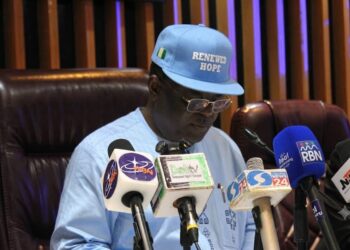
The students, representing bodies including the National Association of Nigerian Students (NANS) and the National Association of Polytechnic Students (NAPS), expressed their appreciation during a meeting with the Minister of Works.
They commended the minister and the administration for what they described as an unprecedented expansion of road construction, rehabilitation and bypass projects across Nigeria.


According to the representatives, the improved road network has made it easier and safer for students to travel to campuses for lectures, examinations and practical sessions.
They cited projects such as the Kano Northern Bypass and major routes linking Kaduna, Abuja and other parts of the country as examples of infrastructure that are having a direct impact on student communities.
The student leaders also presented evaluation reports, feedback and commendations on completed and ongoing federal road projects.

They said the reports reflected the experiences of students and other road users who depend on the highways for daily travel.
Beyond easing transportation, the students said better roads would help reduce insecurity, strengthen economic activity and improve connections between educational institutions and surrounding communities.
They urged the government to sustain the pace of construction and ensure that ongoing projects are completed.
In his response, the Minister of Works, David Umahi reportedly highlighted the administration’s efforts to reconstruct and expand strategic highways, including the Abuja-Kano, Gombe-Bauchi and Bauchi-Jos routes.
The minister linked the projects to broader national objectives, including improved connectivity, economic growth and enhanced security.
He also noted that the road programme had created employment for thousands of Nigerians, including personnel engaged in protecting construction sites and securing major transport corridors.
The meeting further addressed the impact of fuel subsidy reform. The minister explained that ending the subsidy had freed substantial public resources for investment in infrastructure rather than continued spending on fuel consumption.
He said the government was also incorporating solar-powered street lighting and closed-circuit television cameras along major reconstructed highways. The measures are expected to improve visibility at night, strengthen surveillance and make long-distance travel safer.
The students’ endorsement represents a significant vote of confidence from a constituency that relies heavily on Nigeria’s road network. With many students travelling long distances between their homes and institutions, they said reliable highways remain essential to education, safety and national development.
They pledged continued engagement with the government through monitoring, evaluation and constructive feedback, while calling for the timely completion and maintenance of the projects already under way.