

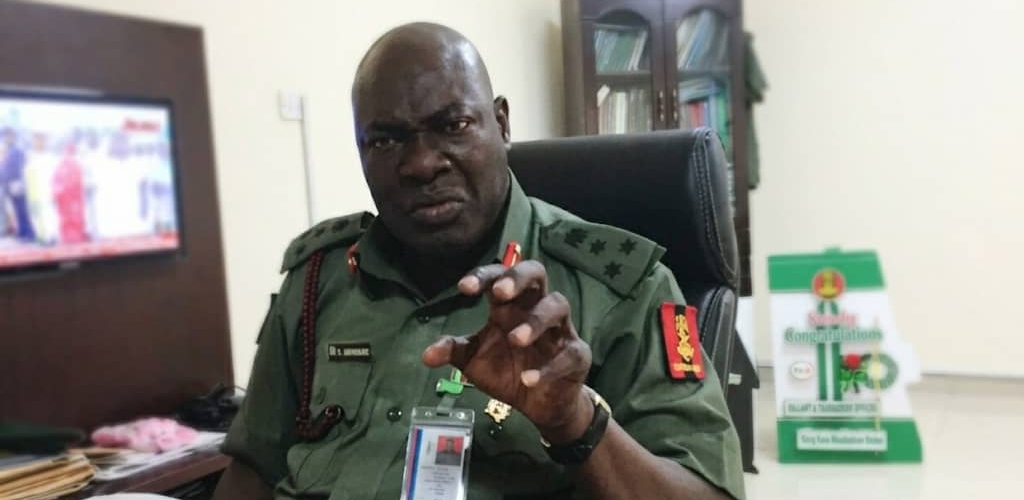
The burial of retired Major-General Rabe Abubakar in Katsina may have marked the end of a distinguished military career, but his death in the hands of terrorists has ignited a fierce national reckoning.
Once a prominent voice for the Nigerian military as former Defence spokesman Abubakar’s final chapter has become a potent symbol of a nation’s struggle against an unrelenting tide of insecurity, forcing a hardline shift in government’s approach to terror.
The abduction of the General and his wife on May 30, 2026, along the Katsina -Matazu road, was more than a local crime; it was an assault on the very institution he once represented.
While his wife has since regained her freedom—reuniting with her family under the shadow of grief—the General’s death from health complications in captivity has transformed him from a victim into a “defining moment” in Nigeria’s counter- insurgency history.
A Hardline Shift: The “Tinubu Doctrine”
In the wake of the killing, President Bola Ahmed Tinubu has used the tragedy to draw a line in the sand. Moving beyond standard condolences, the President’s response has signaled a definitive end to the era of negotiation.
By explicitly stating that the government would not trade prisoners for hostages, the administration has framed General’s death as the catalyst for a “no mercy” policy.
“General Abubakar’s death should further serve as a defining moment in our battle against terrorists and insurgents, never to negotiate with them on any terms, but to continue to treat them as the greatest enemies of our dear nation, who should never be spared,” the President declared.
Military Resolve: The DHQ Vow
The Defence Headquarters (DHQ) has echoed this hardline stance, breaking its silence on the abduction.
Major General Samaila Uba, Director of Defence Information, revealed that
the military had deliberately withheld public comment during the two-week ordeal to avoid jeopardizing rescue efforts.
With the tragic outcome, the DHQ has now vowed to turn grief into action while described Abubakar as an officer who served with “distinction and made significant contributions to counter- insurgency operations.”
In a strong show of resolve, the DHQ announced that ongoing operations have been “further intensified” to track down the perpetrators and dismantle the criminal networks that took the life of one of their own.
A Sobering Indictment of Insecurity
While the govt talks of “full force,” political leaders and the public see a “national tragedy” that highlights a systemic failure.
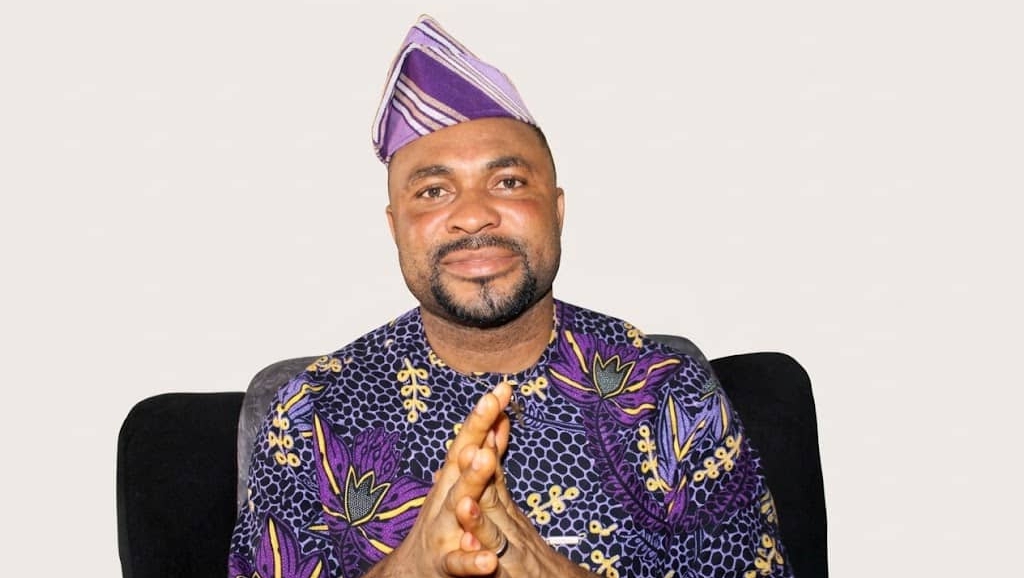
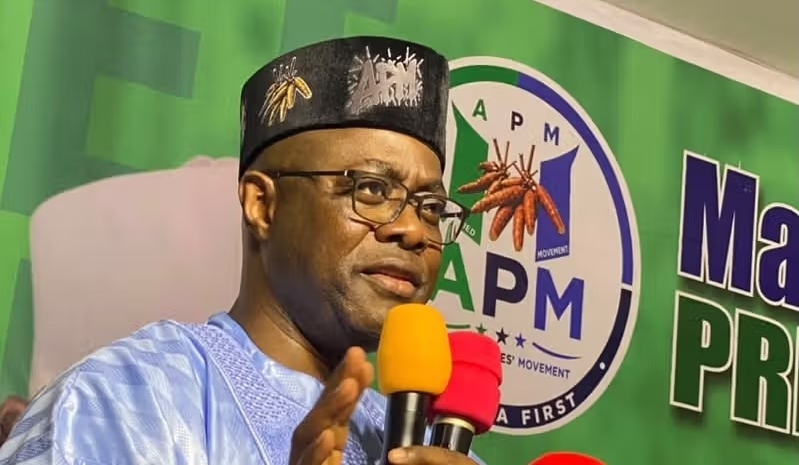
Rabiu Musa Kwankwaso, former Governor and national political figure, expressed profound sadness, noting that after a “distinguished career of service to the nation, General Abubakar deserved a peaceful retirement.”
He stressed that such losses must not be normalized and urged the authorities to ensure the safety of all who remain in captivity.
Peter Obi also weighed in, describing the event as a “sobering indictment” of the nation’s security architecture.
The tragedy has moved the conversation from the details of the crime to broader emergency: if a General is not safe, who is?
The outcry has pressured security agencies to move beyond rhetoric and adopt the intelligence-driven, technology -based approach that many feel is long overdue.
The release of the General’s wife, though a relief, serves as a poignant reminder of the trauma faced by thousands of Nigerian families.
Her return, coupled with the burial of her
husband, has closed the personal chapter of their ordeal but opened a much larger national debate on the price of peace.
Beyond the Burial
As the dust settles in Katsina, the legacy of Major-General Rabe Abubakar is being rewritten. He is no longer just a retired officer who fell victim to crime; he has become the face of a nation’s demand for a “New Nigeria” where service is honored with safety.
The “windows of surrender” are closing, and for the Nigerian state, the General’s death has made the mission clearer than ever: reclaim the country, or face an inevitable collapse.